Custom Reflective Gear: Sew-On vs. Heat Transfer & The OEM Process

Picture of Mary WANG
Mary WANG

MAX Reflective Accessories Design Director

Table of Contents

When sourcing high-visibility reflective gear for your workforce, sports brand, or promotional event, choosing the right base color is only the first step. The real difference in quality, durability, and brand representation lies in how the reflective material is applied and how your logo is integrated.

As a professional manufacturer of reflective safety gear, MAX has helped countless global clients navigate these technical choices. In this guide, we’ll break down the two primary processing methods—Sew-On vs. Heat Transfer—and walk you through our seamless 6-step custom OEM process.

custom-reflective-gear

The manufacturing showdown – sew-on vs. heat transfer

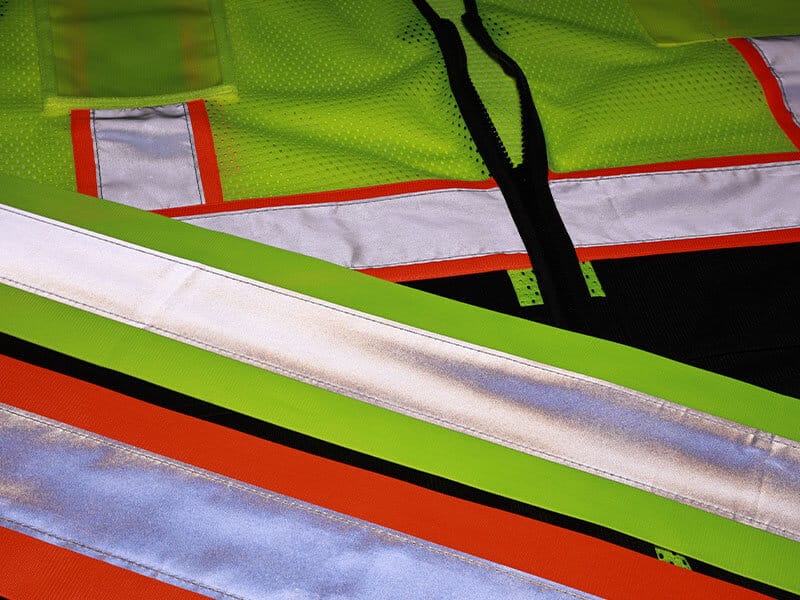
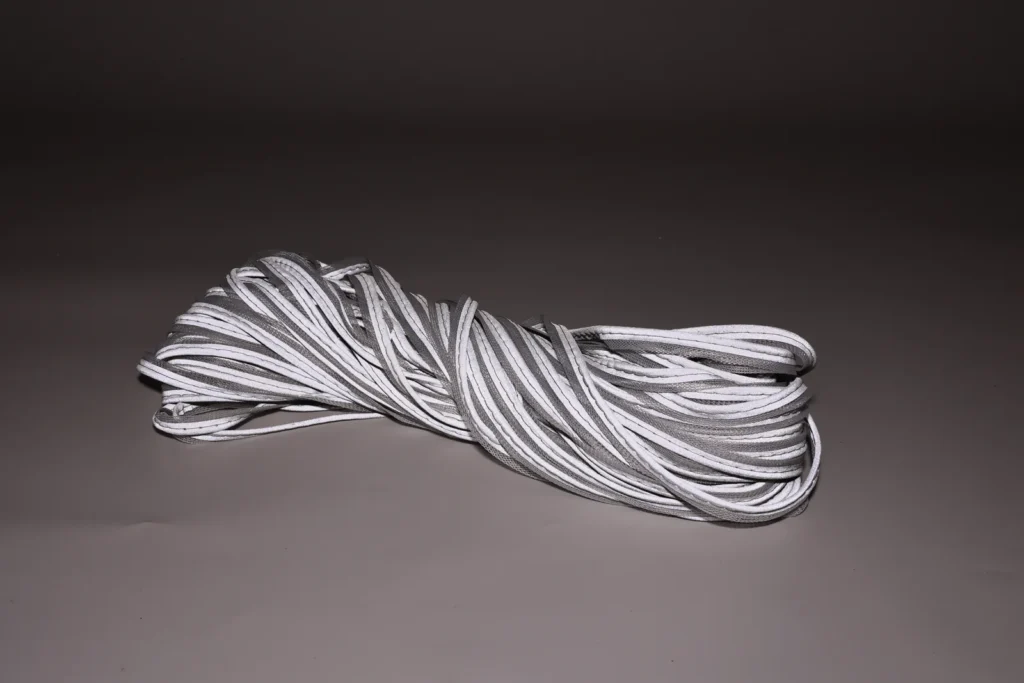
The method used to attach the silver retroreflective strip to the base fabric determines the product’s lifespan, appearance, and ideal use case. Here is how to choose the right one for your project:

Webmaster Note: Insert a side-by-side comparison image here showing a close-up of stitches vs. a flat HTV finish

1. The sew-on process

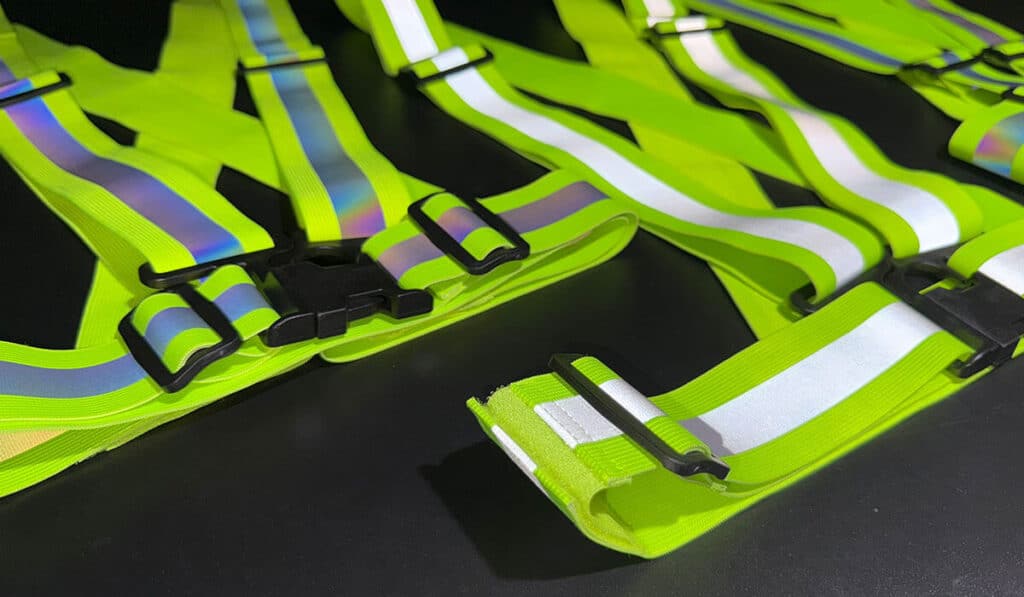
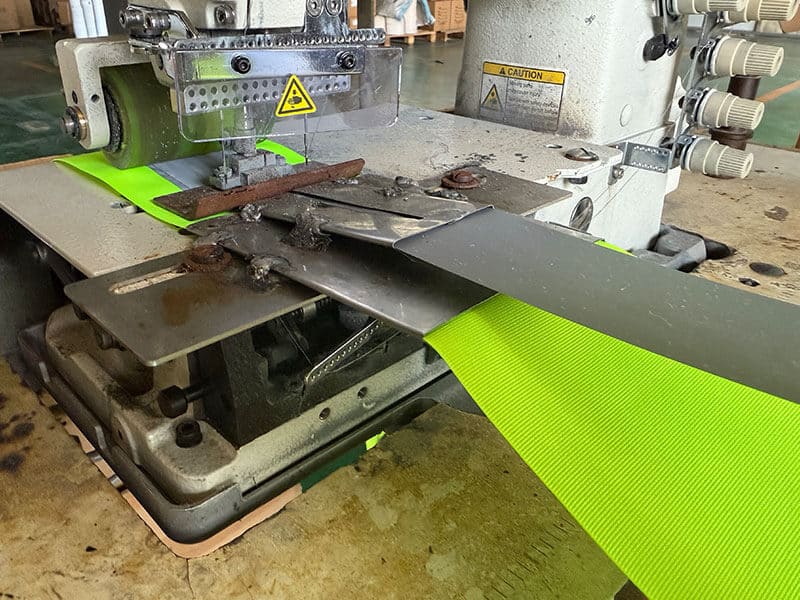
  • How it works: Pre-made retroreflective fabric strips are securely stitched onto the base material using industrial sewing machines.
  • Wash durability: Exceptional. Withstands 25–50 heavy-duty wash cycles.
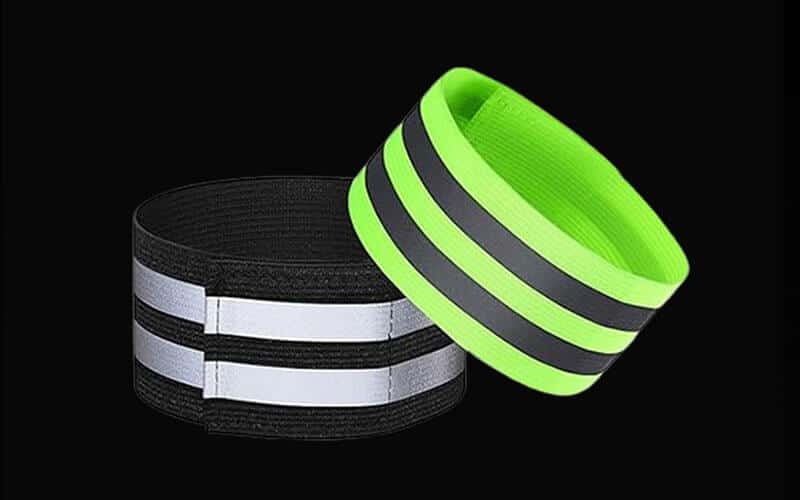
  • Best for: High-stretch fabrics (like elastic armbands), garments under constant mechanical stress, and heavy-duty industrial workwear that requires frequent laundering.
  • The MAX advantage: We use high-quality threads and precise stitching techniques to ensure the reflective strip moves naturally with elastic bases without snapping the thread.

2. The heat transfer process

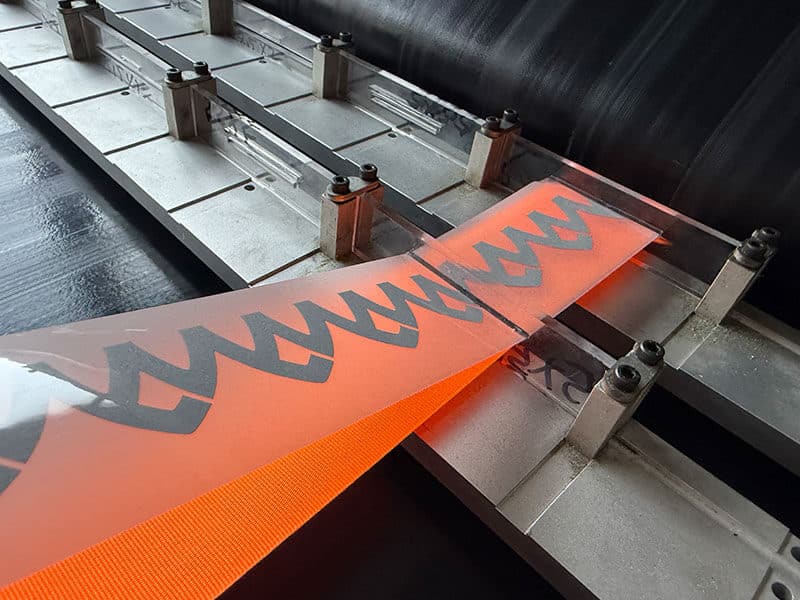
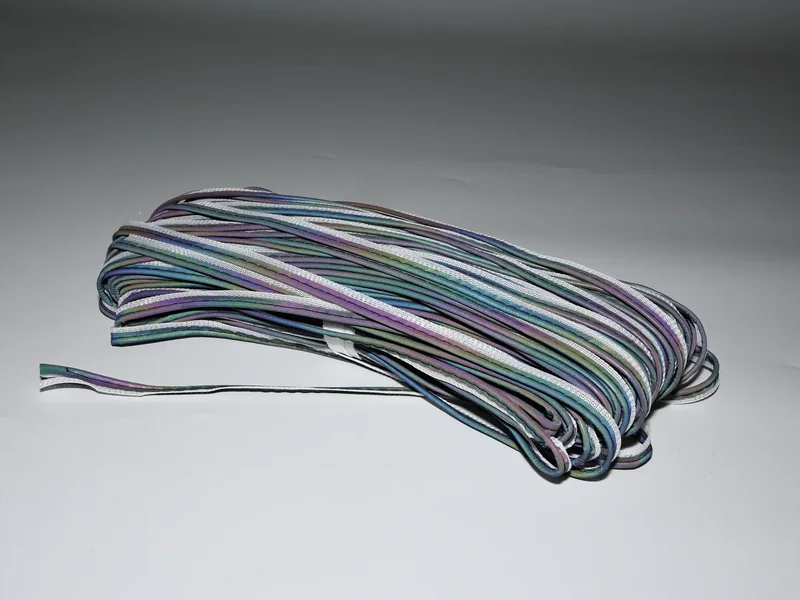
  • How it works: A retroreflective Heat Transfer Vinyl (HTV) film is bonded directly to the base fabric using precise heat and pressure.
  • The finish: Creates a clean, flat, and seamless appearance with no visible stitches.
  • Technical parameters: At MAX, we strictly control our heat press parameters at 150–180°C, 3–5 bar of pressure, for 10–15 seconds to ensure zero delamination.
  • Best for: Flat, smooth fabrics, Velcro (Hook & Loop) armbands, and premium sports gear where a sleek, modern aesthetic is required.

The Verdict: If you need rugged durability for construction workers, go with Sew-On. If you are designing a sleek running belt or a reflective armband where stitching is difficult, Heat Transfer is the superior choice.

sew-on-process
heat-transfer-process

Making it yours – branding & customization

Your safety gear should also be a powerful branding tool. We offer multiple ways to integrate your corporate identity into our EN ISO 20471-compliant materials:

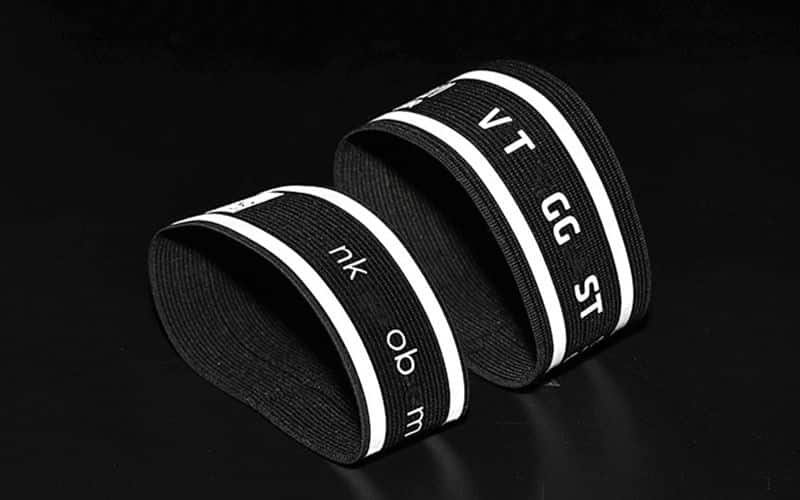
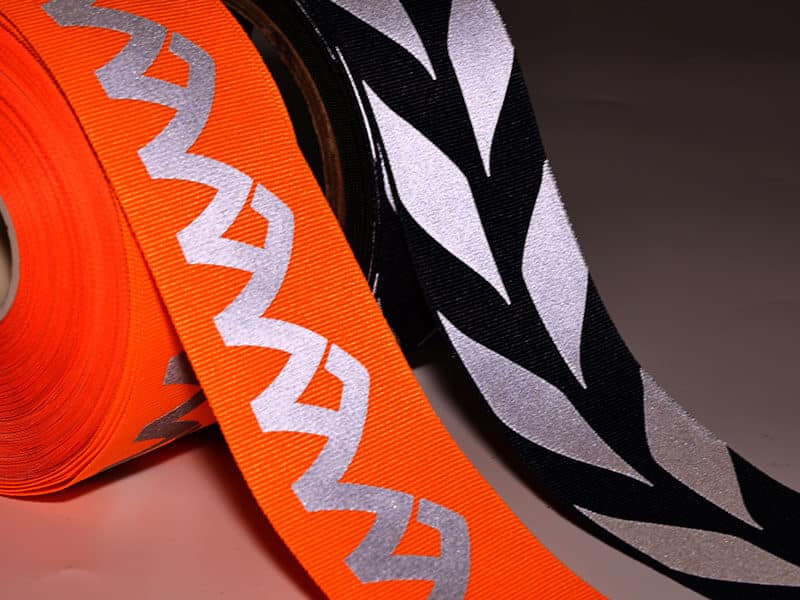
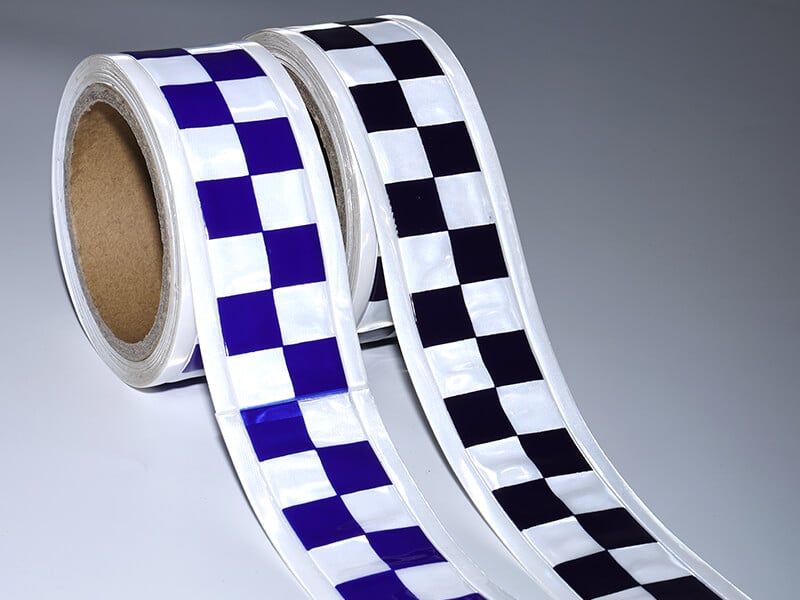
  • Screen Printing: We can print your logo directly onto the silver reflective strip or PVC surface. This provides a sharp, clear, and highly professional result.
  • Heat Transfer Logos: Ideal for elastic fabric bases, allowing for vibrant, full-color logo reproduction.
  • Woven Labels: Sewn directly onto the webbing, woven labels offer a clean, durable, and premium “workwear” look that won’t fade over time.

Pro tip: the co-branded safety kit

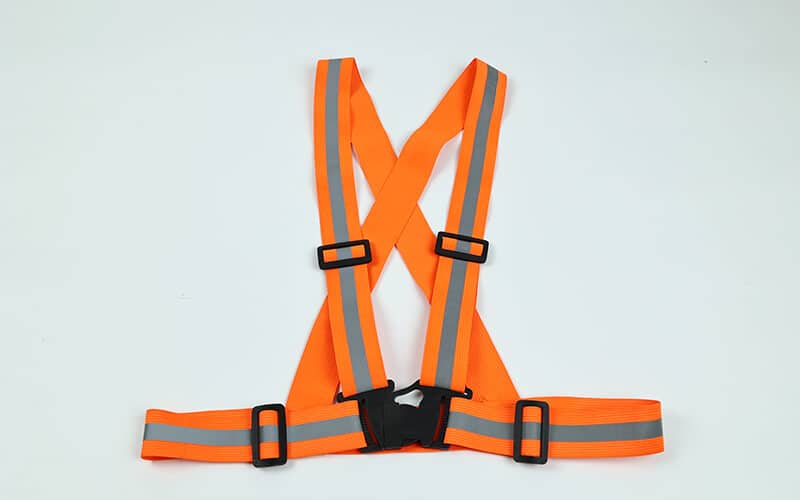
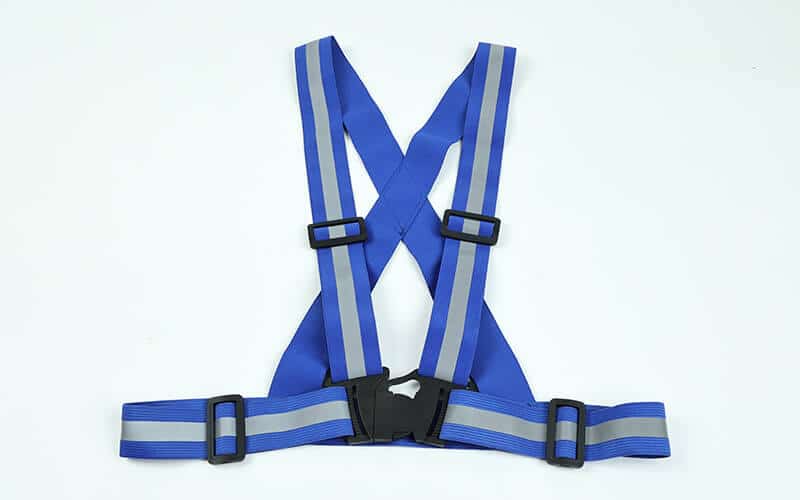
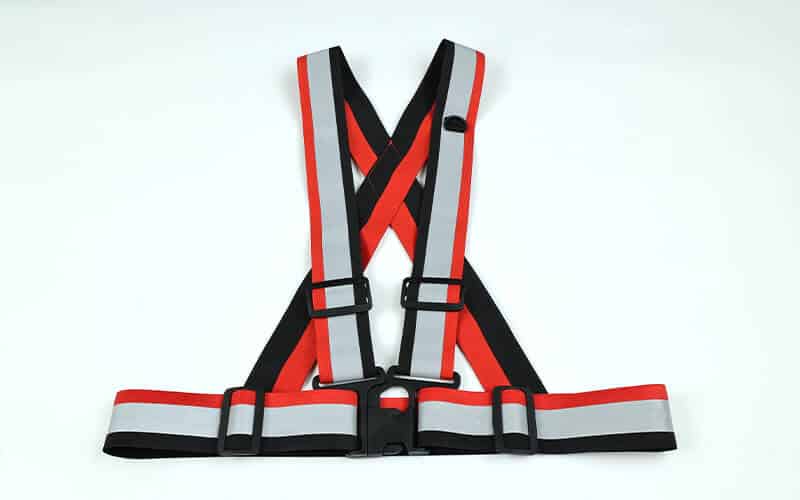
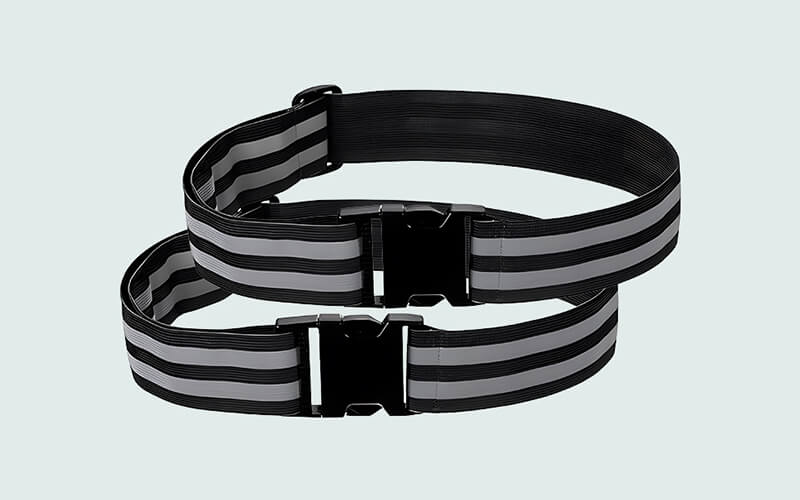
Why stop at one product? Many of our enterprise clients opt for a Co-Branded Safety Kit. We can combine a reflective running belt, a shoulder sash, and two armbands into a unified corporate color scheme with matching logos. Delivered in custom packaging (branded poly bags, gift boxes, or drawstring pouches), it’s the ultimate corporate safety program or event giveaway.

making-it-yours-branding-customization
oem-process

From concept to delivery – our 6-step OEM process

We know that B2B procurement requires predictability. At MAX, we’ve streamlined our custom order process to take you from initial idea to final delivery without the headache.

Webmaster Note: You can design this section as a visual timeline/infographic on the blog

  1. Step 1: Inquiry & Quotation Tell us your requirements (product type, quantity, customization needs). Our team will provide a transparent, competitive quote.
  2. Step 2: Artwork Review & Digital Mockup Send us your logo. Our design team will create a digital mockup so you can see exactly how your branding looks on the gear before any physical work begins.
  3. Step 3: Sample Production (3–7 Days) Once the mockup is approved, we move to rapid prototyping. We produce a physical sample using your exact specifications.
  4. Step 4: Sample Approval We send the physical sample (or detailed photos/videos) for your final sign-off. No mass production starts without your 100% satisfaction.
  5. Step 5: Mass Production (15–25 Working Days) Our factory floor takes over. We maintain strict quality control throughout the manufacturing process, ensuring every piece meets our high visibility and durability standards.
  6. Step 6: QC & Global Shipment After final quality inspection, your order is securely packed. We support flexible shipping terms including FOB, CIF, and DDP to deliver straight to your warehouse or door.

Reflective cycling gear

Reflective cycling gear is far more than a stylish add-on, it’s a vital layer of protection.

Ready to build your custom reflective gear?

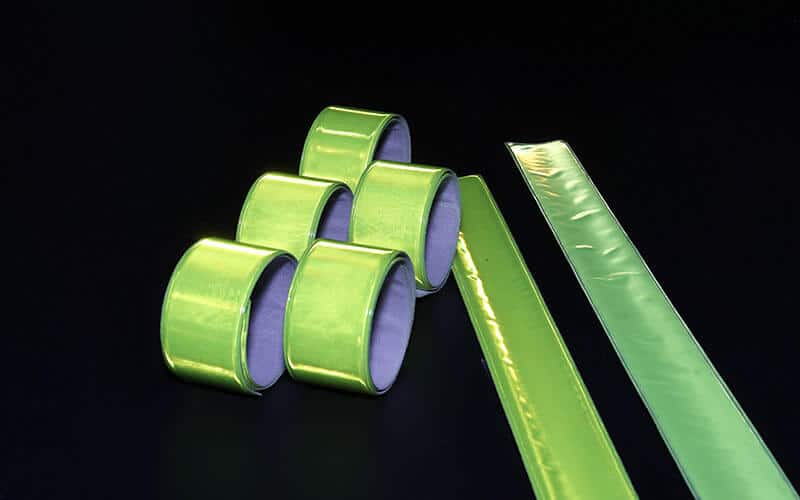
Whether you need 1,000 custom PVC slap bands for a charity run or 10,000 heavy-duty safety harnesses for your logistics fleet, MAX has the manufacturing expertise to deliver.

Share:

MAX business

Hot Blogs

custom-reflective-gear

Custom Reflective Gear: Sew-On vs. Heat Transfer & The OEM Process

a-guide-to-highvisibility-colors-and-their-uses

A guide to high-visibility colors and their uses

how-to-choose-the-right-reflective-zipper

How to choose the right reflective zipper

Related blogs

ansi-hi-vis-standard

ANSI Hi-Vis Standard

The ANSI (American National Standards Institute) Hi-Vis Standard provides guidelines for the design and performance of high-visibility apparel, ensuring workers are easily seen in environments with low visibility
reflective-armbands-vs.-reflective-vests

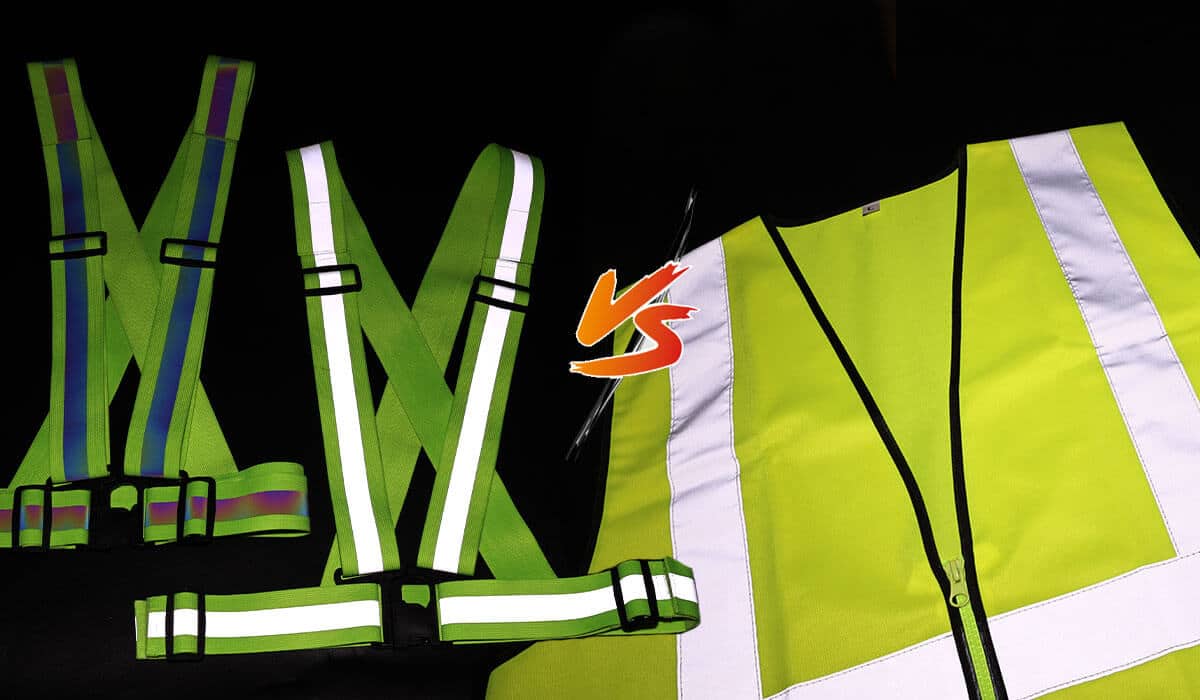
Reflective Armbands vs. Reflective Vests

This guide is designed for B2B buyers — including safety managers, fleet operators, event organizers, and wholesale distributors — who need a clear, data.
the-difference-between-fluorescent-and-retroreflective

The Difference Between Fluorescent and Retroreflective

In this blog, we’ll break down two key players in visibility technology: fluorescent and retroreflective materials.
high-visibility-safety-apparel

High-Visibility Safety Apparel

This blog dives into the science, standards, and trends behind high-visibility safety apparel (HVSA)—and how our solutions keep your team safe without compromising on style.

Related products
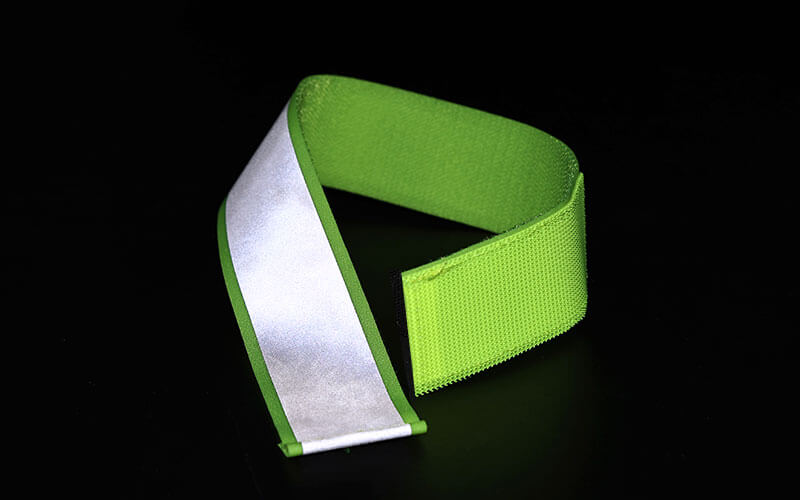
reflective-arm-ankle

Reflective arm ankle

reflective-elastic-sport-armband

Reflective elastic sport armband

pvc-reflective-arm-bands

PVC reflective arm bands

safety-reflective-bracelet-with-logo

Safety reflective bracelet with logo

shoulder-reflective-vest

Shoulder reflective vest

reflective-vest-running-gear

Reflective vest running gear

high-vis-running-gear

High vis running gear

reflective-elastic-sash

Reflective elastic sash

Send Your Inquiry Now