Maintenance and care of reflective zippers
MAX Reflective Accessories Design Director
Most reflective gear owners never think about maintaining reflective zippers until the slider jams or the reflective coating flakes off. A single mistake with common household laundry products can permanently strip the visibility layer right off the tape. When that happens, you lose crucial nighttime safety and ruin an expensive piece of equipment.
Mastering simple maintenance habits extends the lifespan of sensitive reflective closures. You will learn techniques to stop premature delamination and guarantee your gear remains highly visible when needed most.
Understanding reflective zippers: why special care is needed
Reflective zippers require specialized care because their retroreflective coatings and micro-glass bead layers are permanently damaged by abrasion, harsh chemicals, and heat that standard zippers easily tolerate.
What makes a zipper “reflective”
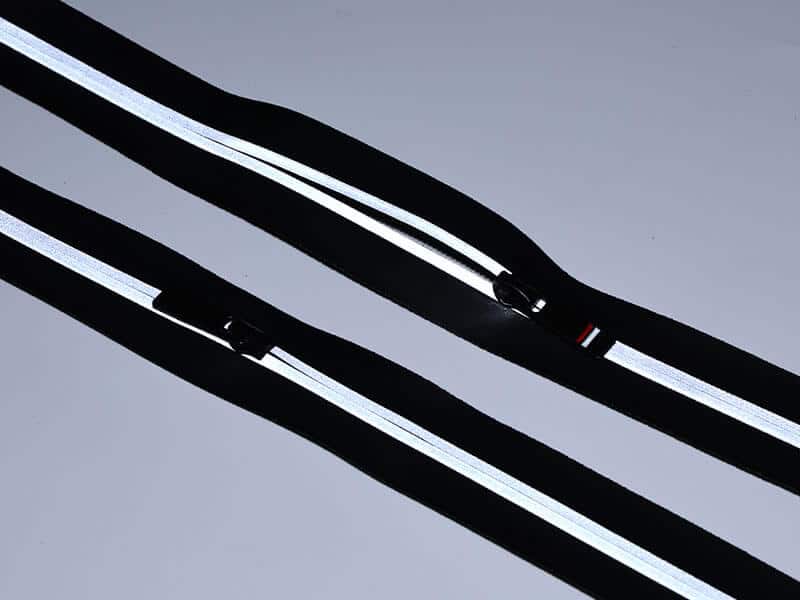
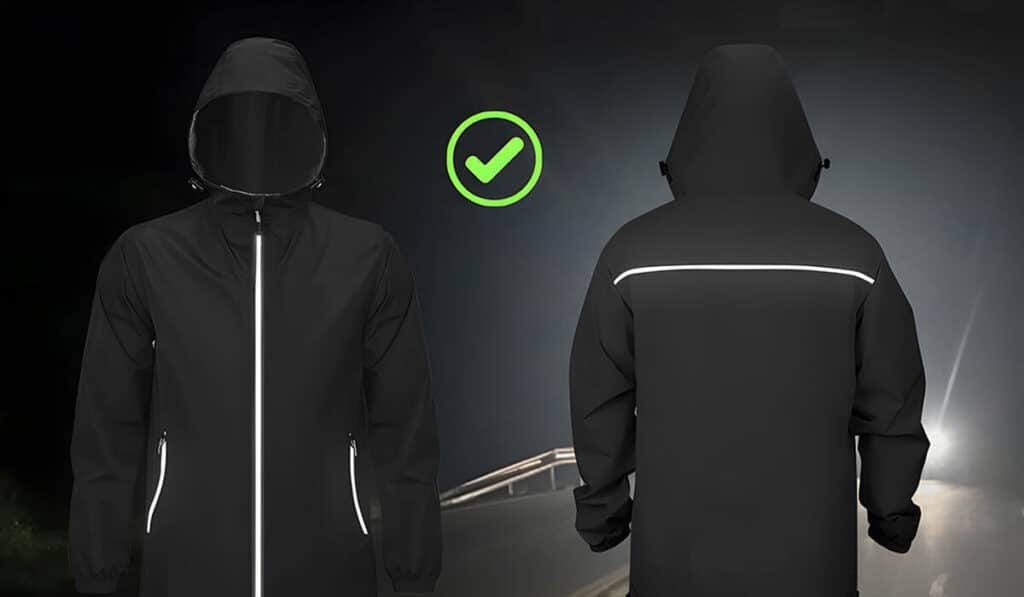
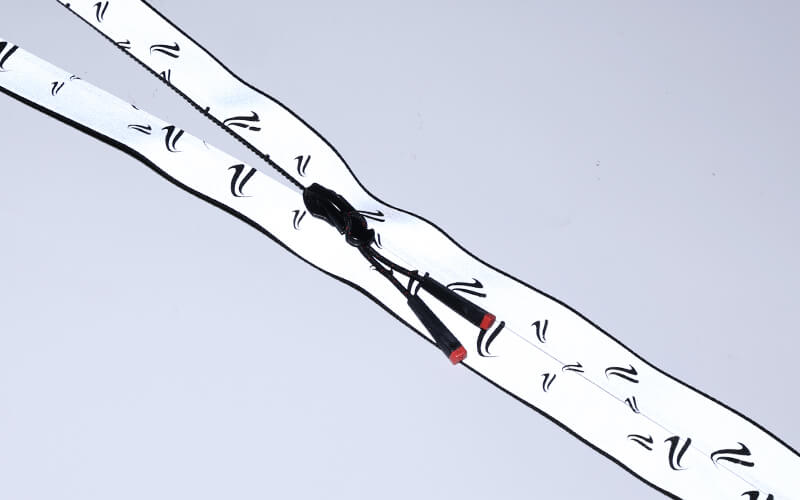
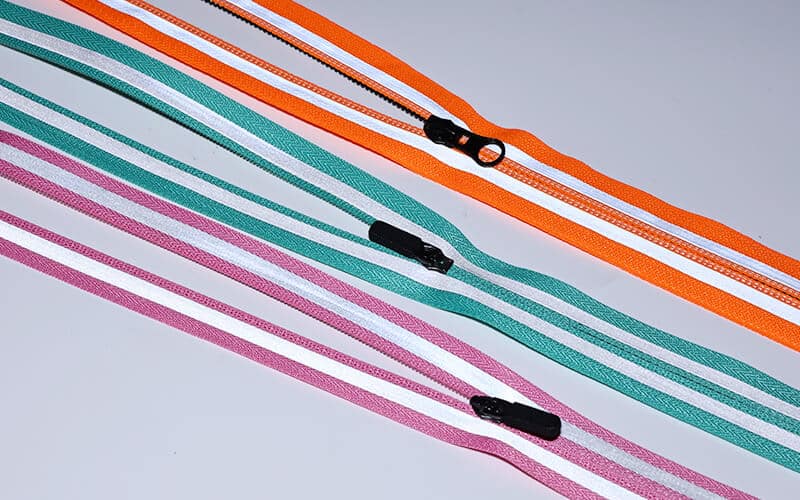
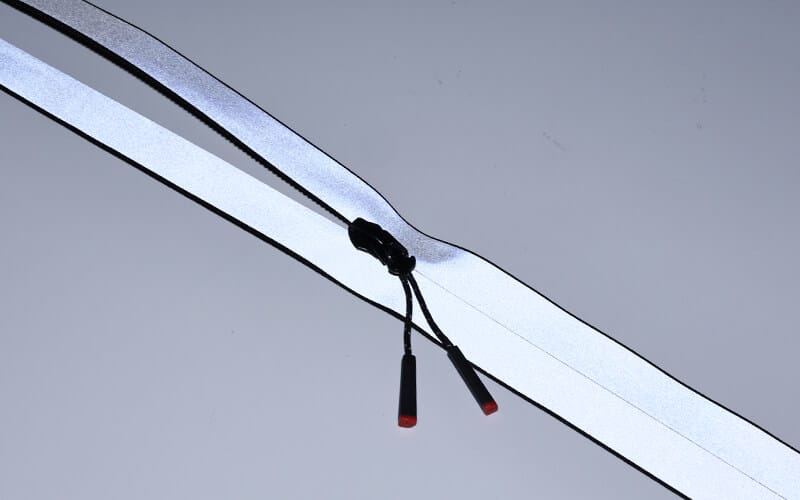
A reflective zipper utilizes retroreflective technology. Specialized coatings or tape are integrated directly into the zipper tape or pull. Light hits the surface and bounces back to the source, creating high visibility in low-light conditions.
Standard metallic finishes merely scatter light randomly. True reflectivity requires engineered optical elements.
Manufacturers rely on three primary materials for this effect:
- Glass bead coatings: Offer excellent omnidirectional reflection.
- Microprismatic films: Provide intense, focused light return.
- Reflective thread weaves: Woven directly into the fabric for a smooth look.
The anatomy of a reflective zipper
The foundation dictates the zipper’s durability. These zippers are typically built on nylon, polyester, or waterproof TPU bases. Polyester offers excellent dimensional stability, while TPU provides superior water resistance for outdoor gear.
The critical manufacturing step involves bonding the reflective element. Micro-glass beads or micro-prisms are applied to the zipper tape or teeth using specialized industrial adhesives. Heat-activated polyurethane adhesives are used in production to ensure the reflective layer flexes with the base material.
Types of reflective zippers
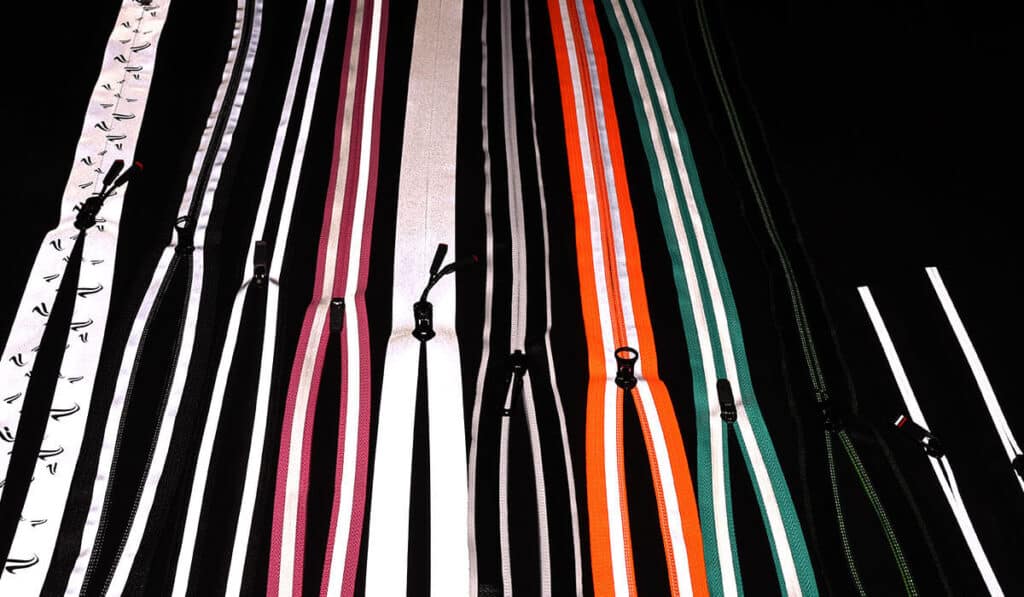
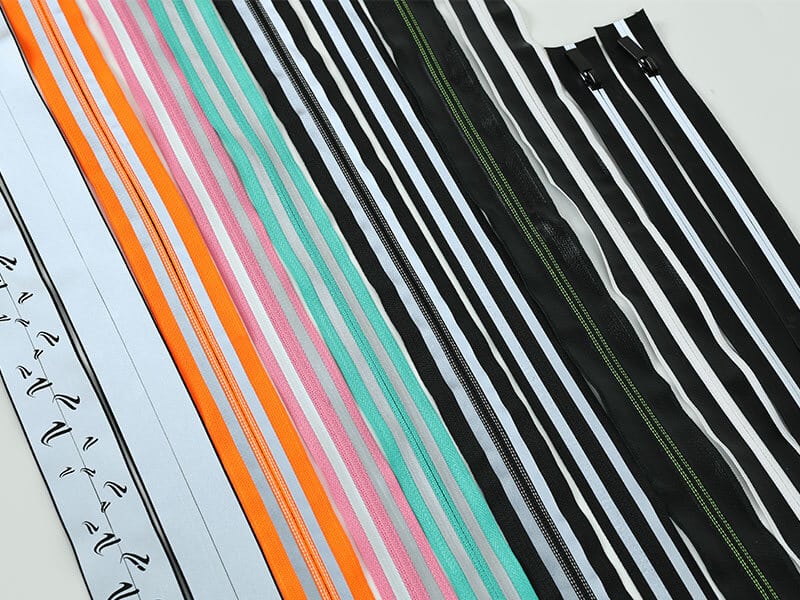
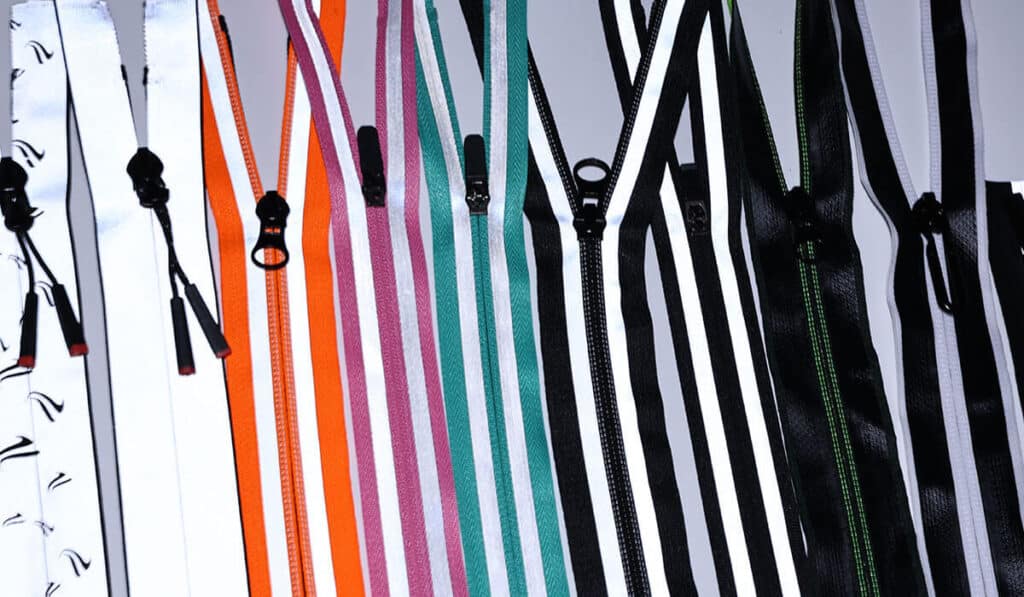
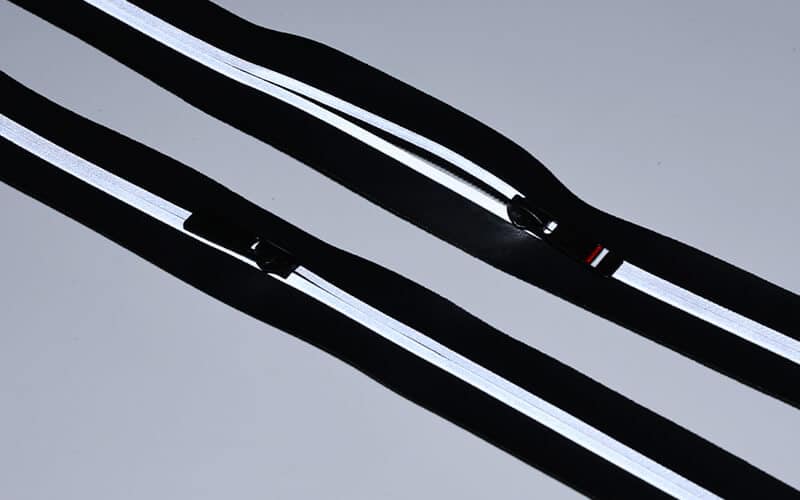
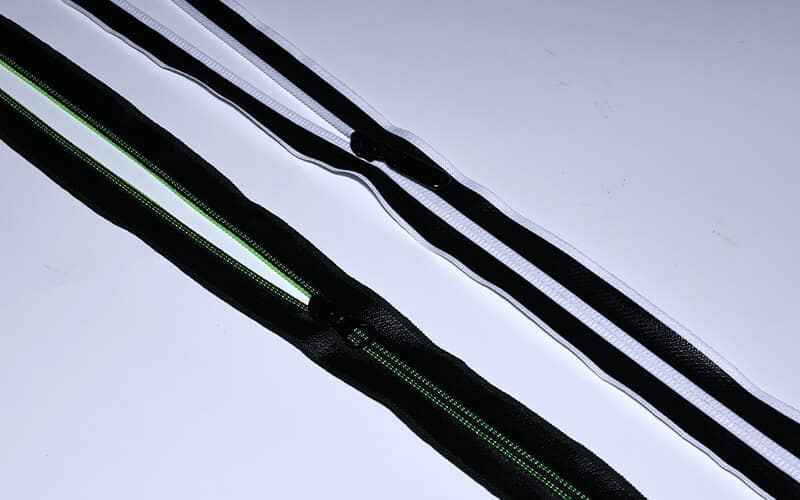
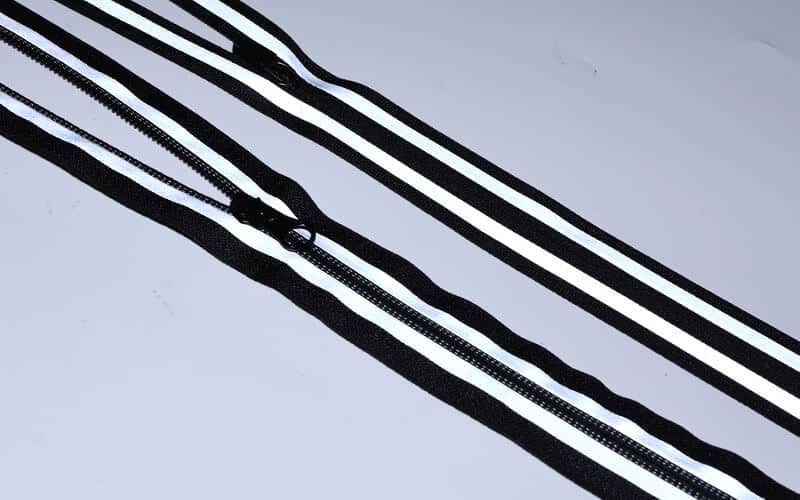
Reflective zippers come in coil or molded tooth designs, with variations including reflective tape or dedicated pulls to suit different apparel needs. These components are supplied across multiple demanding industries, including cycling and running apparel, industrial safety workwear, tactical equipment, and outdoor bags where visibility and durability matter.
Why reflective zippers require special care
Reflective coating protection demands distinct maintenance protocols. These optical layers are highly sensitive to abrasion, harsh chemicals, and extreme heat. While standard zipper materials can withstand rough handling, reflective elements degrade rapidly under similar conditions.
Surface contamination directly impacts safety performance. Dirt, oils, and residue coat the micro-prisms or glass beads, creating a physical barrier that blocks light reflection and reduces visibility.
Chemical damage destroys the adhesive bond. Harsh laundry detergents, bleach, and fabric softeners break down the polyurethane adhesives, causing delamination as the reflective film separates from the base tape.
Environmental exposure accelerates degradation: UV, salt, mud, and temperature swings weaken reflective layers and backing materials. Frequent zipping adds friction that leads to fading, peeling, and eventual mechanical failure.
Daily maintenance habits for reflective zippers
Pre- and post-use inspections
Routine inspections are among the most effective reflective zipper care tips for preventing premature zipper failure. Operators must check for trapped dirt or debris in the teeth before use. Particulates act as abrasives — they grind against the delicate reflective coating during slider movement. Inspect the reflective tape for early signs of peeling, micro-cracks, or dullness. Our production line data shows micro-cracks often precede total coating failure.
Perform these mechanical checks daily:
- Slider movement: Test for smooth gliding without catching or skipping.
- Zipper teeth: Examine for missing, bent, or misaligned elements.
- Pull tab: Verify secure attachment to prevent awkward pulling angles.
Best practices during operation
Proper operation extends the lifespan of the reflective layer. Users must pull the zipper straight up and down, as lateral stress degrades the zipper teeth and warps the reflective tape.
Keep the surrounding fabric clear during operation. Fabric snags halt the slider abruptly, and yanking a snagged slider scrapes off the reflective layer instantly. Our testing shows mechanical abrasion causes significant premature reflectivity loss.
Train end-users to guide the slider carefully. This simple habit preserves the mechanical function and the high-visibility coating.
Identifying reduced reflectivity
Verify visibility performance regularly. You can perform a simple reflectivity test in a dark room: shine a flashlight at eye level directly at the zipper from ten feet away. The tape should bounce light back intensely.
Distinguish surface dirt from actual coating degradation. Surface dirt creates a temporary dullness, whereas coating degradation appears as permanent dark spots or missing bead clusters. If a damp wipe restores the shine, the zipper just needs cleaning. If the dark spots remain, the reflective layer is compromised.
Treat visibly reduced reflectivity as a safety issue, especially in high-risk environments. Replace the zipper once degradation is permanent, and B2B buyers should stock spares to avoid downtime.
Step-by-step guide to cleaning reflective zippers
How often to clean
Knowing how to clean reflective zippers based on usage intensity — ranging from bi-weekly for daily wear to seasonal for occasional use — is the foundation of proper care. Immediate cleaning is required if stiffness, dullness, or debris appears, as delay permanently degrades reflective glass beads.
Recommended cleaning tools and products
Proper tools prevent permanent damage to the micro-glass bead layer. Gather these specific items before starting the wash cycle.
- Soft-bristle brush or baby toothbrush: removes debris without scratching.
- Mild, non-biological liquid detergent: cleans the tape safely.
- Clean microfiber cloth: wipes reflective surfaces gently.
Strictly avoid harsh chemicals like bleach, solvents, and fabric softeners that dissolve reflective adhesives and strip visibility. Our production testing shows chemical degradation accounts for most premature zipper failures.
Preparing the zipper for cleaning
Preparation dictates the final cleaning outcome. Close the zipper fully and turn the garment inside out to protect teeth alignment and minimize reflective film abrasion during washing.
Step-by-step cleaning process
Follow this exact sequence to maximize zipper lifespan.
- Dry-brush loose dirt from the zipper teeth and tape.
- Apply a diluted mild soap solution using a soft cloth.
- Scrub the zipper teeth, tape, and pull gently. Use light, linear strokes instead of circular scrubbing.
- Rinse thoroughly with clean water to eliminate soap residue.
- Pat the area dry with a microfiber cloth. Never wring or twist the wet garment.
- Air dry the item completely before storage or wear.
Hand washing vs. machine washing
Hand washing offers superior control over the cleaning process. Use a soft-bristled brush to dislodge mud gently, as this protects the delicate reflective surface from mechanical stress. Machine washing remains acceptable under strict conditions: select delicate or hand-wash cycles only, and keep water temperatures strictly below 30°C (86°F).
Proper drying procedures
Heat destroys reflective zipper components rapidly. Air dry garments in a shaded, well-ventilated area, and avoid direct sunlight entirely. Never use tumble dryers or irons on these products. High heat melts the reflective film and also warps the waterproof zipper tape permanently.
Caring for reflective surfaces specifically
Verify reflective coating protection effectiveness immediately after drying. Test reflectivity using a flashlight or vehicle headlight in a dark room — the zipper should bounce light back brightly. Restore mild dullness with a simple damp cloth wipe.
Heavy contamination requires professional cleaning services. Equipment manufacturers must communicate these specific care limits to end-users, as proper education reduces warranty claims and builds long-term brand trust.
Protecting the reflective coating and proper storage
Preventing physical damage
Physical stress destroys reflective coatings faster than standard wear. You must prevent sharp creases along the zipper tape. Folding garments directly on the zipper line cracks the glass bead layer. Our production testing shows severe reflectivity loss after repeated folding. Hang garments instead.
Avoid direct heat, ironing, and aggressive chemicals like stain removers, which melt or degrade reflective bonding agents. Keep hook-and-loop fasteners away from the tape to prevent the stiff hooks from scratching the micro-glass beads.
Machine washing requires specific precautions to protect the hardware:
- Secure the garment inside a mesh laundry bag.
- Close the zipper completely before washing.
- Select a gentle cycle and keep water strictly below 30 degrees Celsius.
- Use mild liquid detergents rather than abrasive powders.
Never tumble dry the garment. High heat degrades the reflective adhesives permanently. Air dry the item away from direct heat sources.
UV and environmental exposure
Ultraviolet light breaks down the reflective binder resin. Prolonged UV exposure fades the coating over time. Store gear away from direct sunlight when not in use.
Environmental contaminants accelerate this degradation. Saltwater corrodes the metal slider components. Chlorine strips the reflective finish from the tape. Industrial chemicals dissolve the bonding agents entirely. Rinse the zipper immediately after exposure to these elements.
Preparing gear for storage
Proper preparation prevents irreversible damage. Clean the zipper thoroughly before storage. Ensure the garment is completely dry. Trapped moisture causes slider corrosion and mold growth. Mildew degrades the fabric tape over time.
Zip the track completely closed. This step maintains slider and teeth alignment. Apply a light coat of zipper wax before long-term storage, as recommended in any reliable zipper lubrication guide. Hang garments on wide hangers.
Avoid folding across the zipper line: Do not fold items tightly across the zipper line. This prevents creasing and cracking the reflective tape.
Ideal storage conditions
Environment dictates zipper longevity. Store gear in a cool and dry location. Keep items away from household heat sources. Protect the reflective coatings from ambient UV exposure as part of consistent reflective coating protection.
- Breathable garment bags: Use breathable garment bags to allow airflow around the zipper hardware.
- Plastic storage bags: Avoid these entirely, as plastic traps residual moisture against the zipper hardware.
- Compression and vacuum storage: Avoid these methods, as vacuum bags place immense stress on the zipper tape and the pressure crushes the microscopic reflective beads.
Seasonal maintenance before re-use
Safety gear requires verification before deployment. Inspect the zipper function before the new season begins. Run the slider up and down the track. Re-lubricate the teeth after extended storage periods.
Perform a strict reflectivity check. Shine a flashlight directly at the zipper tape. Verify the light return remains uniform and bright. Replace the garment if the zipper shows dark spots.
Safety-critical situations demand flawless visibility. Commercial buyers must enforce these inspection protocols across their workforce. This extends equipment lifespan and ensures worker safety.
Troubleshooting and repairing common reflective zipper issues
Most reflective zipper failures — including stiff sliders, separated teeth, and dulled coating — can be resolved through targeted cleaning, re-lubrication, slider adjustment, or professional tape replacement before full garment replacement is needed.
When to repair vs. replace
Effective zipper repair and troubleshooting begins with assessing the damage before attempting repairs.
- Minor issues: Require simple interventions. You can fix slider tension, apply dry lubricants, or clean the surface easily.
- Moderate damage: Involves replacing a slider or pull tab. This targeted repair saves the cost of full zipper replacement.
- Severe issues: Demand complete replacement. Delaminated reflective tape compromises safety. Missing or broken teeth ruin structural integrity. Manufacturers should discard these compromised units immediately.
Fixing a stuck or stiff zipper
A stuck zipper halts production or ruins user experience. Diagnose the root cause first. Inspect the track carefully for trapped debris, bent teeth, or a misaligned slider. Remove visible obstructions with a stiff brush.
Apply a safe lubricant directly to the affected teeth. Graphite from a pencil lead works well. Beeswax or specialized silicone-free zipper lubricants provide excellent alternatives. Never use oil-based lubricants like WD-40 — oil degrades the adhesive backing of the reflective tape, attracts dirt, and creates future jams.
Realigning misaligned zipper teeth
Misaligned teeth cause the slider to catch or separate. Identify the exact point of misalignment along the chain. Use needle-nose pliers to gently bend the errant tooth back into place. Work carefully to avoid scratching the adjacent reflective tape, as a scratched glass bead surface loses its retroreflective properties.
Stop immediately if the tooth feels brittle. Do not attempt manual realignment on heavily warped plastic zippers. Forceful bending snaps the elements and ruins the track completely.
Replacing a damaged zipper slider
Worn sliders fail to interlock the teeth properly. Gather a seam ripper, pliers, and a compatible replacement slider, then follow these steps:
- Remove the top stop using the pliers.
- Slide the damaged component off the top of the track.
- Guide the new slider onto both sides of the zipper chain evenly.
- Crimp a new top stop into place.
We always advise our wholesale clients that sourcing the correct replacement slider is critical when maintaining reflective zipper assemblies at scale. Match the exact gauge and coil type of your reflective zipper brand. Incompatible sliders strip the teeth and cause premature failure.
Addressing peeling or lifting reflective tape
Reflective tape occasionally lifts at high-friction points. Trim frayed edges immediately with precision scissors to stop the unraveling process. Apply a tiny drop of fabric-safe flexible adhesive beneath the lifted edge and press it flat for a temporary fix.
From our manufacturing experience at Go4Mould, full re-taping is not a viable manual repair. Factory application requires precise heat and pressure to bond the reflective film, and poorly applied replacement tape peels away instantly. Send valuable garments to a professional gear repair service, as experienced tailors possess the right equipment for reflective materials.
Restoring lost visibility
Dull zippers compromise high-visibility safety standards, and knowing how to clean reflective zippers properly is the first step toward restoring performance. Microscopic grime, body oils, and hard water stains coat the reflective beads. Wipe the surface with a damp microfiber cloth to remove these dulling agents. A quick flashlight reflectivity test in a dark room verifies coating integrity.
Sometimes the dullness results from physical damage rather than dirt. Look closely for permanent abrasion along the tape surface. Scraped or crushed glass beads cannot be restored — you must replace the entire zipper to meet safety compliance.
Summary
Reflective zippers may seem like minor components, but they are the critical link between high-performance gear and personal safety. Their care directly dictates both the lifespan of your equipment and your visibility in the field. Mastering the balance of reflective zipper care tips, zipper repair and troubleshooting, and mindful daily operation protects your financial investment in technical apparel while ensuring you remain seen when it matters most.
Start with one fundamental habit today: inspect your gear, clear out trapped debris, and consistently close and clean your zippers after every use to guarantee years of reliable performance. When you are ready to scale your production with premium, durable components, MAX Reflect delivers. We engineer the high-visibility zipper solutions your technical product lines demand.