

Compare segmented vs continuous reflective piping by identifying the actual construction before ranking appearance or performance. A segmented-looking pattern may describe printing, separate reflective elements or another product-specific arrangement. Confirm what the supplier means, then compare representative samples and evidence for the intended garment.
This guide gives purchasing and development teams a comparison workflow. It does not assume that either format is brighter, more comfortable, more durable or automatically suitable for a safety requirement. Keep each decision tied to the offered material, assembled design and documented conditions.
Segmented vs Continuous Reflective Piping: Identify the Construction
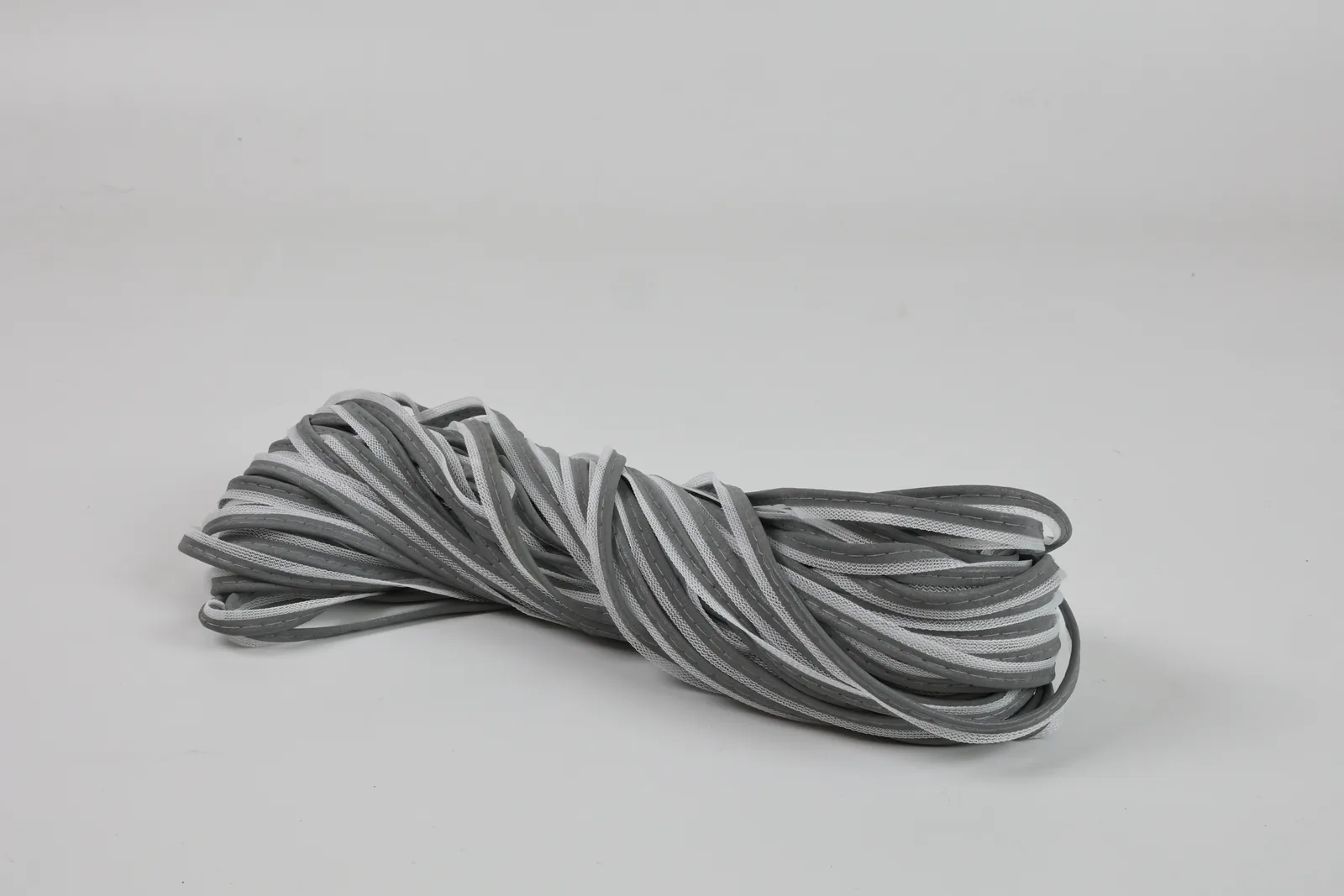
Ask the supplier to describe the reflective face, carrier or flange and any core. Request a drawing or sample showing which layers are continuous and what produces the visible pattern. Distinguish a printed stripe from a physical interruption in the reflective material before interpreting the product name.
For a continuous-looking candidate, confirm whether the appearance represents an uninterrupted reflective face, a particular coating or another construction. For a segmented-looking candidate, ask whether the pattern comes from printing, separate elements or a different arrangement. The label alone is not a complete material specification.
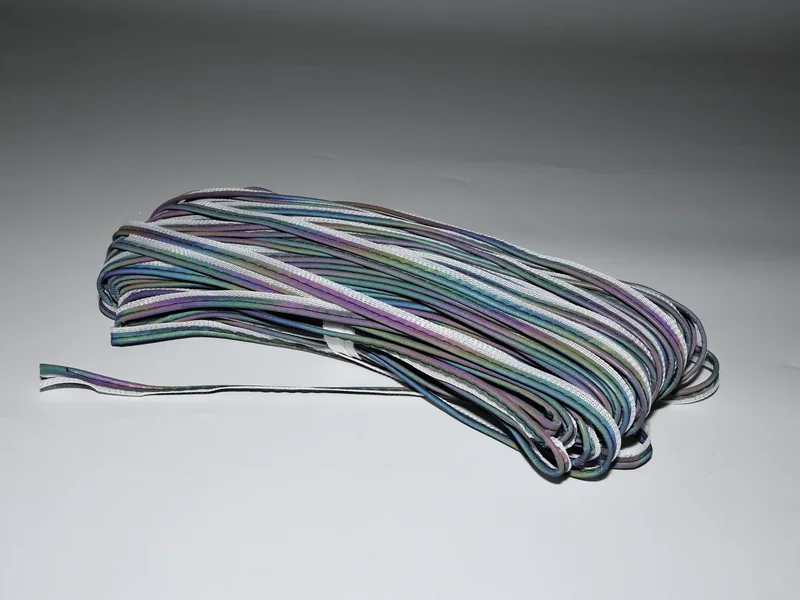
MAX’s website lists MP0108 as reflective piping with green printed stripes and MP0110 as segmented reflective piping with black printed stripes. Those descriptions identify product options; they do not establish that the printed-stripe products have physical gaps or the same construction as a segmented heat-transfer trim.
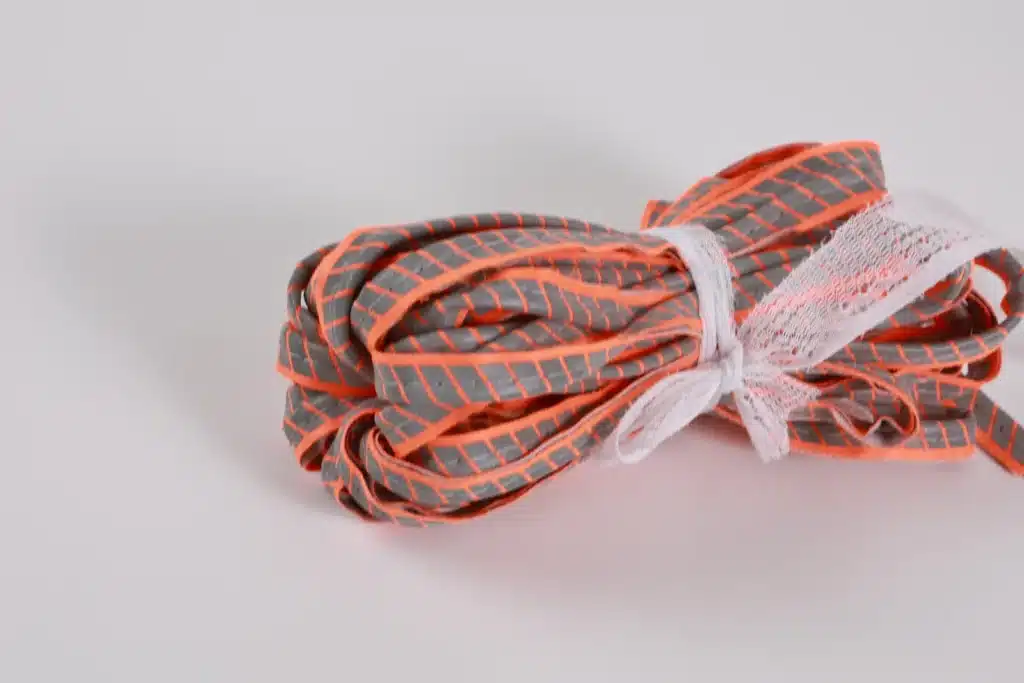
MAX’s website lists MP0104 in polyester & spandex, with a customizable width of 15–30 mm. MAX lists MP0105 with gray/silver reflection, different backing colors, width of 15–30 mm, and customizable segment dimensions and patterns. MAX lists MP0109 in Silver and Orange for workwear, safety uniforms and other applications. Treat these as website-stated options and confirm the selected construction in the order specification.
Keep the description linked to the model, color and sample. If two suppliers use the same format name for different constructions, compare the assemblies rather than treating the labels as equivalent. Record any unresolved distinction before requesting a performance comparison.
Use an annotated photograph or cross-section to communicate the construction question. Mark the visible reflective region, the sewing area and any layer described as segmented. Obtain the supplier's confirmation of the drawing instead of identifying materials from appearance alone.
If pattern repeat matters to the garment design, identify where it begins and ends on the proposed cut length. Ask how joins and terminations should be represented in the sample. Record whether the buyer is approving the appearance of a particular length or a broader production specification. Do not assume that a photograph of one section describes every position along a supplied roll.
Clarify the measurement terms used in the offer. A total strip width, sewing flange, visible edge and cord dimension describe different parts of an assembly. Ask the supplier to label them on the drawing so the comparison does not confuse a wider carrier with a larger visible reflective region.
Separate Format, Attachment and Additional Performance Claims
Keep the product's appearance, attachment method and additional claims in separate fields. A segmented pattern does not establish that a material is perforated, stretchable, flame-resistant or suitable for a thermal hazard. Likewise, a continuous appearance does not identify a particular backing or coating.
If the intended garment has requirements beyond visibility, ask the responsible product specialist what evidence is needed for the complete assembly. Obtain documents for the actual construction and application. Do not transfer a claim from another reflective tape family to piping because the photographs look similar.
Confirm how the proposed trim is intended to be attached. A sew-on piping assembly and a heat-applied reflective transfer can require different product and process information. Use the applicable supplier guidance and an identified sample when evaluating the attachment method; this comparison does not provide universal application settings.
Record the scope of any supporting document. Check which model, color, substrate and conditions it describes. If the supplier proposes an alternative construction, review the change against all relevant requirements rather than assuming an additional performance label makes it interchangeable with the original candidate.
Compare Visibility Evidence Under the Same Conditions
Ask each supplier for the evidence relevant to the intended reflective function. Check the tested sample, method, measurement conditions and stated limitations. A comparison needs compatible conditions and clearly identified constructions; a pair of isolated numerical values may not provide a meaningful ranking.
Separate the material's reported performance from its visible area and placement in the finished garment. Confirm how the proposed design is to be assessed under the applicable requirements. Do not assume that higher reported intensity compensates for every gap, covering or layout difference.
Use photographs to document appearance under an identified setup, not to invent visibility distance or recognition claims. Keep lighting, viewing arrangement and sample identification consistent when making a visual comparison. An informal demonstration does not replace the required measurements or finished-product assessment.
Review the actual sewn profile. Ask whether the reflective face remains visible where intended and whether the pattern changes at turns, joins or terminations. Record the observation without assuming that a continuous line is always easier to recognize or that a segmented pattern necessarily attracts attention sooner.
When the available evidence is not comparable, record the limitation and obtain the assessment needed for the buyer's decision. Do not fill the gap with a universal claim that one format is the safer option.
Evaluate Care and Durability by Construction
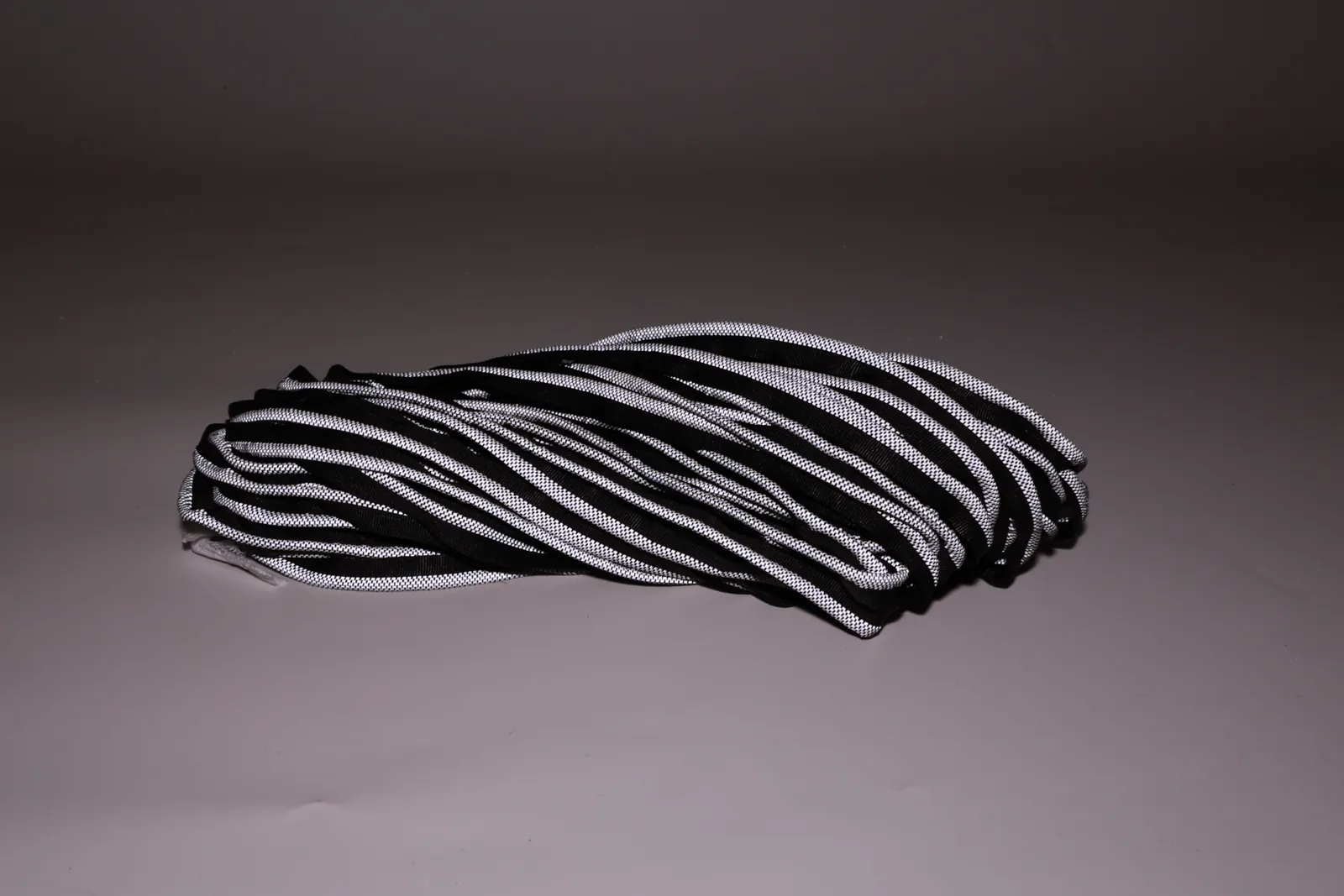
Request care instructions and relevant test results for each selected candidate. Identify the model, color and construction covered by the evidence, along with the process and conditions used. Do not assign a universal cleaning-cycle rating from the words segmented or continuous.
Agree the durability questions that matter for the intended garment. These may concern the appearance, attachment, reflective result or another specified property. Ask the responsible team to define the assessment and acceptance criteria for the intended care process before the trial.
Keep initial and post-treatment observations linked to the same sample. Record the care process and any conditioning described in the assessment. If one candidate was tested under different conditions, make that distinction visible before comparing the outcome.
Inspect the assembled seam where the requirement concerns the garment rather than unsewn material. Record visible damage, distortion, lifting or another relevant observation, then investigate it using the appropriate evidence. Appearance alone does not establish a root cause or quantify remaining service life.
For repeat orders, identify which specification and evidence remain applicable. A changed color, print, backing or assembly should be reviewed before relying on an earlier result. Keep the change decision with the retained sample so receiving and production teams can recognize the accepted construction.
Assess Handling, Movement and Contact on Samples
Compare the candidates on the intended shell and seam design. Record how each assembly feeds, follows the required curve and presents the visible edge under the same trial conditions. Do not assume that a segmented appearance necessarily means greater flexibility or that a continuous appearance establishes stiffness.
For a garment expected to move or stretch, ask the product team to define the appropriate assembly assessment. Observe the trim, stitch condition and surrounding fabric after that assessment. A flexible-feeling unsewn strip is not by itself evidence of compatible recovery in the finished seam.
Review areas of contact and seam bulk on the actual design. Record protruding ends, stiffness, interference with nearby components or other observations needing design review. Do not claim improved wearer comfort, reduced heat or greater breathability solely from a pattern or a small material sample.
Keep the observations specific. Instead of writing “the segmented option is more comfortable,” describe what was assessed, which sample was used and the observed difference. Refer wearer or finished-product conclusions to the responsible evaluation process.
When a candidate needs modification, identify the proposed change and determine which checks must be repeated. A different flange, core or attachment detail may produce a different assembly even when the visible pattern remains similar. Retain the accepted sample and setup record together.
Keep Material Evidence Separate From Garment Compliance
Define the intended garment requirement with the responsible product or conformity specialist. Ask how the selected piping contributes to the design and which evidence is relevant. A format name does not establish a garment class, certification scope or automatic approval for a particular industry.
Review the material document and the finished design as related but distinct parts of the decision. Confirm which construction was tested and whether the evidence applies to the offered color and variant. Ask the responsible assessor how visible area, placement and attachment should be evaluated for the actual garment.
Do not reproduce a universal area, gap or performance threshold without its applicable conditions. Use the relevant standard and assessment plan for those decisions. If a supplier claims that a segmented layout is accepted, request the evidence identifying the specific configuration and scope.
Record the proposed public claim separately from the supporting document. A statement about a tested material should not become an unrestricted certification claim for every garment using it. Keep unresolved scope questions visible before product approval or publication.
Where the design or material changes, obtain the responsible review before carrying forward an earlier conclusion. Document which evidence remains applicable and what needs to be reassessed. This applies to both continuous and segmented-looking candidates.
Run a Controlled Sample Comparison
Create a comparison plan before ordering samples. Identify the intended shell, seam, placement and requirements so suppliers are responding to the same application. Record whether each sample is a stock example, a development variant or representative of the proposed production order.
Use a shared review sheet with separate fields for facts, observations and open questions. The following structure can be adapted to the buyer's process:
| Review item | Record for each candidate |
|---|---|
| Identity | Supplier model, color, construction and sample reference |
| Meaning of the pattern | Printed appearance, physical structure or another confirmed arrangement |
| Attachment | Intended method and applicable product guidance |
| Sewn profile | Drawing, visible edge and observed placement |
| Performance evidence | Tested sample, method, conditions and limitations |
| Care assessment | Applicable instructions and results for the selected construction |
| Commercial scope | Quantity, customization, documentation and delivery terms |
| Decision | Accepted conditions, open items and responsible reviewer |
Prepare trial assemblies using the documented setup and retain their identification. If an adjustment is required for one candidate, record it rather than hiding the difference. Compare the outcomes against the same acceptance criteria, with any non-equivalent conditions clearly stated.
Keep a retained sample and a record of the decision. If the result is inconclusive, specify the next evidence or trial needed. Do not choose a winner merely because the product name suggests an expected advantage.
Compare Cost and Order Conditions Without Format Assumptions
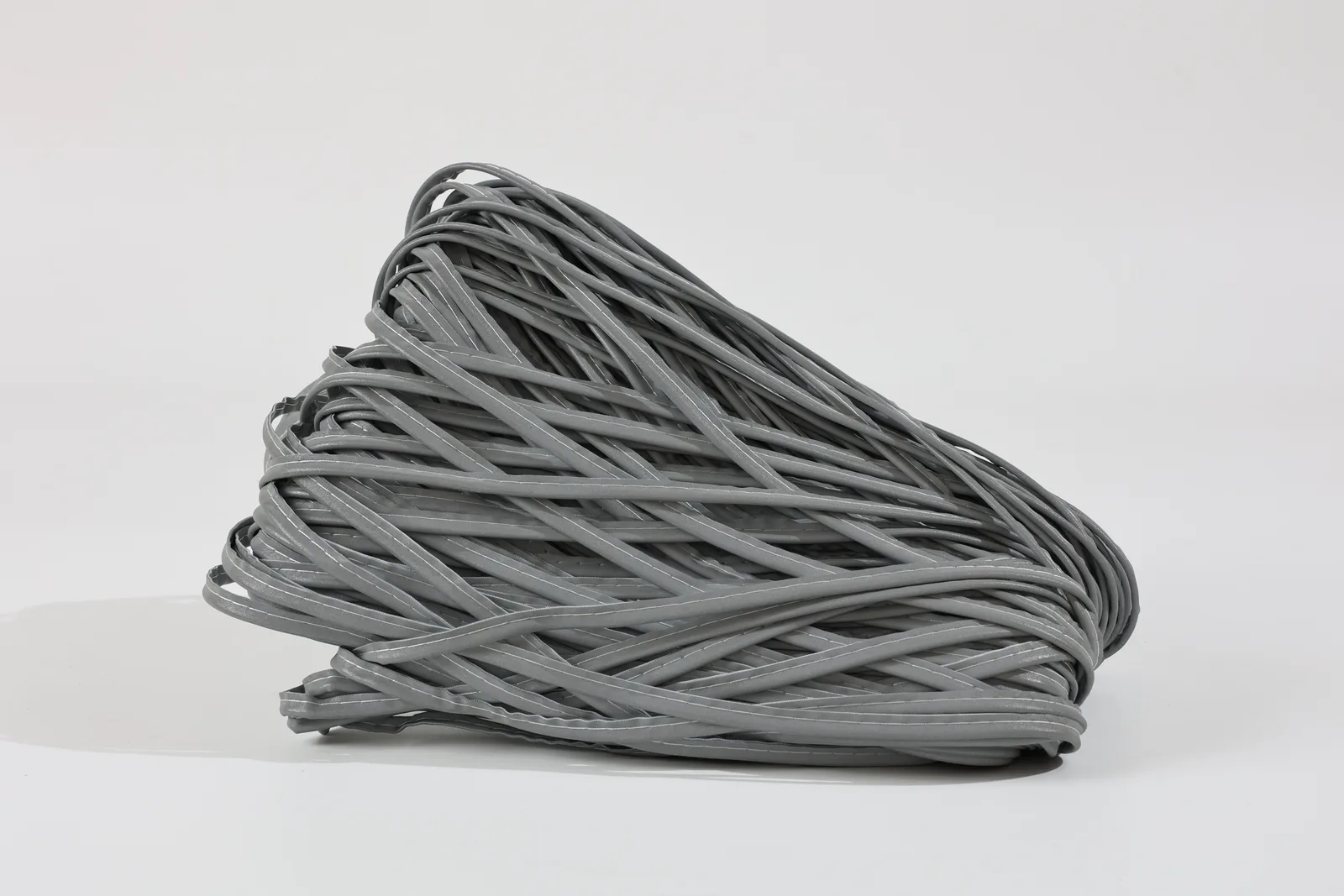
Request quotations for the actual specifications and quantities under consideration. Identify customization, packaging, documentation and delivery scope so the prices describe comparable offers. Ask suppliers to explain exclusions or conditions that could change the quotation.
Do not assume that a segmented appearance always costs more or that a continuous strip necessarily has a lower total cost. The offered construction and order terms need to be examined directly. A price difference is a prompt to clarify scope, not proof of superior or inferior performance.
Record costs observed in the buyer's own trial where they are relevant. These may include material use, operator adjustments, rejected samples or additional processing needed to meet the same requirement. Keep measured observations separate from estimated future costs and explain the assumptions used in any comparison.
Confirm sample, approval, procurement and delivery milestones for the selected order. Do not infer stock availability or lead time from the format label. Ask whether a proposed change in color, dimensions or quantity alters the quotation or schedule.
Use the evidence and commercial record together when making the purchasing decision. An attractive price or earlier forecast should not conceal an unresolved product requirement. List the remaining conditions clearly before releasing the order.
Review Appearance at the Finished-Garment Scale
Compare the proposed pattern and continuous appearance on an assembled sample at the intended placement. Review orientation, repeat alignment, joins and the amount visible after sewing. A close-up photograph of an unsewn roll may not show the effect of the garment construction.
Agree an appearance reference and viewing conditions with the buyer. Record how the piping relates to the surrounding shell, seam and any printed or branded element. Do not assume that one format is more professional or better suited to a market without the buyer's actual design requirement.
If printing or color is customized, confirm the intended artwork and product revision. Ask which supporting evidence applies to the changed product and whether another sample is needed. Keep the accepted appearance decision separate from reflective-performance or durability conclusions.
Use accurate photographs and descriptions in the approval record. A static product image can illustrate material appearance; it should not be described as an operation, test or finished application photograph unless that is what it actually shows. Preserve that distinction when preparing product information for customers.
Choose by Requirement and Available Evidence
Turn the comparison into a decision that another team can follow. Start with the requirements that each candidate must satisfy, then identify the evidence and observations supporting acceptance. Keep preferences, such as pattern appearance, distinct from required performance criteria.
| Decision question | Useful next step |
|---|---|
| The segmented label is unclear | Obtain the drawing and identify what creates the pattern |
| Performance reports use different conditions | Ask the responsible specialist for a comparable assessment |
| One sample feeds differently | Review the documented setup and assembly before attributing the cause |
| A customized color is proposed | Confirm the changed construction, evidence and appearance approval |
| A quotation excludes a required item | Obtain a revised scope before comparing price or timing |
| Neither candidate has sufficient evidence | Hold the decision and specify the missing information |
Avoid assigning a universal format to a job role or garment type. A workwear, activewear or weather-protection application still needs the actual product and design requirements to be defined. Ask the responsible specialist to resolve any requirement outside the purchasing team's competence.
Record why the selected candidate was accepted and which conditions apply. If a candidate is rejected, describe the discrepancy against the requirement rather than using a vague quality label. Keep the decision linked to the actual sample and quotation so a later substitution cannot be mistaken for the original choice.
Before closing the review, ask the receiving and sewing teams whether the specification gives them enough information to identify the accepted material. Resolve unclear color names, pattern descriptions or drawing terms while the development samples are still available. Record which evidence should accompany the delivered order and how a discrepancy will be reported. This turns the comparison into instructions that can be followed after the original reviewers have moved on to another project.
Maintain the Decision Within the Garment System
Identify the selected piping, shell, seam and applicable process in the production specification. Keep the approved drawing, retained sample and evidence accessible to the teams receiving and assembling the material. A format name alone is not enough to communicate the accepted construction.
Review interfaces with neighboring components and other requirements of the garment. A suitable reflective detail does not establish waterproofness, thermal protection, fit or structural performance. Obtain the relevant assembly evidence through the responsible product process instead of extending the trim decision beyond its scope.
Agree how the supplier will identify material and communicate changes. When a new lot or revised construction is proposed, compare it with the approved specification and determine which checks are required. Do not assume either format is inherently more consistent across deliveries.
Use production and service observations to refine future questions, while keeping the limits of those observations clear. If a problem is reported, identify the affected material and assembly, record what was observed and request the appropriate investigation. Do not generalize a single failure into a claim that all segmented or continuous piping behaves the same way.
Close the comparison with a traceable purchasing record: what was selected, for which design, on what evidence and under which conditions. That record is more useful than an unsupported universal ranking of the two formats.
Frequently Asked Questions
Does segmented reflective piping always contain physical gaps?
No such assumption should be made from the name alone. Ask the supplier what creates the pattern and which layers are continuous. A printed-stripe product can have a different construction from separate reflective elements or a segmented transfer.
Is continuous piping always brighter than segmented piping?
Compare the actual material evidence under compatible test conditions and assess the finished design separately. Format labels and photographs do not establish a universal brightness, visibility-distance or recognition ranking.
Which format is more comfortable or flexible?
Evaluate the actual construction on the intended shell and seam. Record handling, movement and contact observations under the agreed assessment. Do not infer finished-garment comfort or breathability from the visible pattern alone.
Can either format automatically meet a safety-apparel standard?
No. Identify the material evidence and obtain the required assessment of the actual garment and claim. Confirm the applicable requirements with the responsible conformity specialist rather than selecting by format name.
How should I compare wash durability?
Request results for the selected model, color and construction, including the care process and assessment conditions. Keep the sample identity and limitations visible. Do not assign a universal cycle count to either format.
What should I confirm before placing a bulk order?
Confirm the accepted construction, sample and drawing revision, relevant evidence, order scope and release conditions. Record how changes will be reviewed and which checks apply to the delivered material.

Related blogs

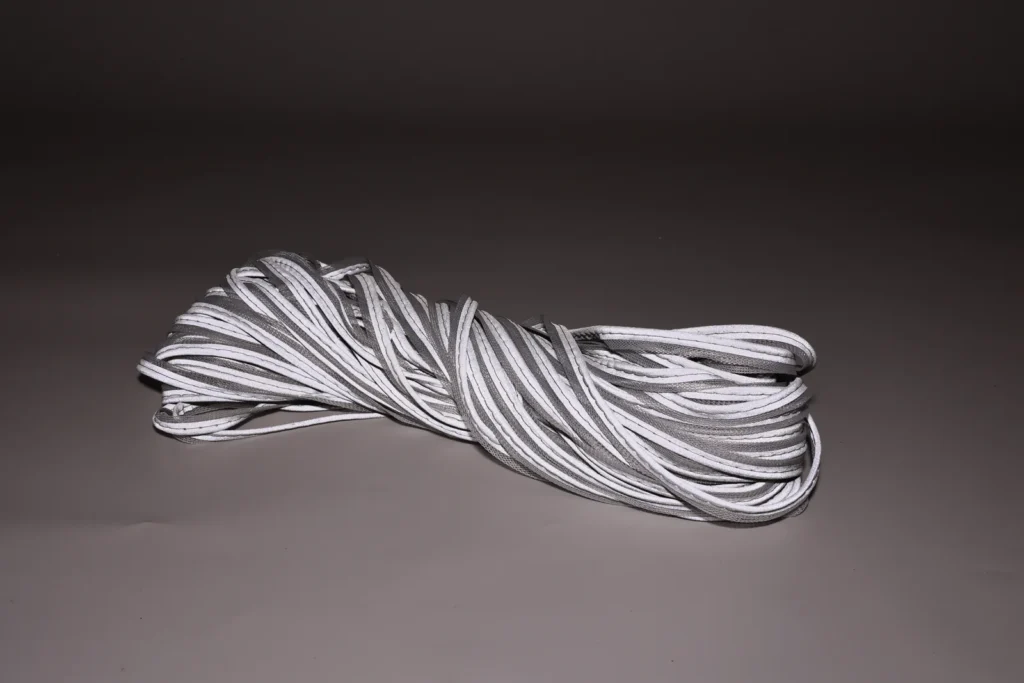
Segmented silver reflective piping MP0105
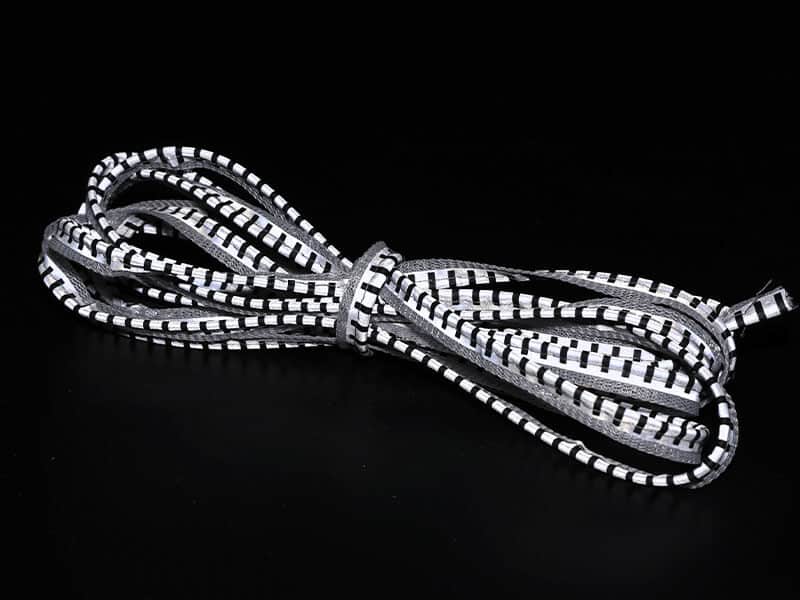
Segmented reflective piping tape with black printed stripes MP0110
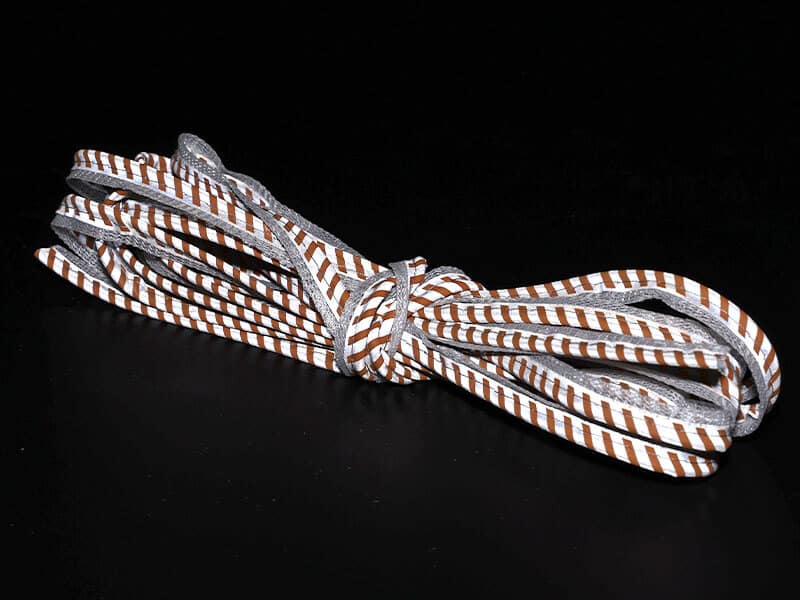
Segmented orange stripe reflective trim MP0109

Regular silver reflective edging piping MP0101
Related products

Grid style reflective heat transfer vinyl piping MP0107

High luster’s elastic reflective piping MP0104
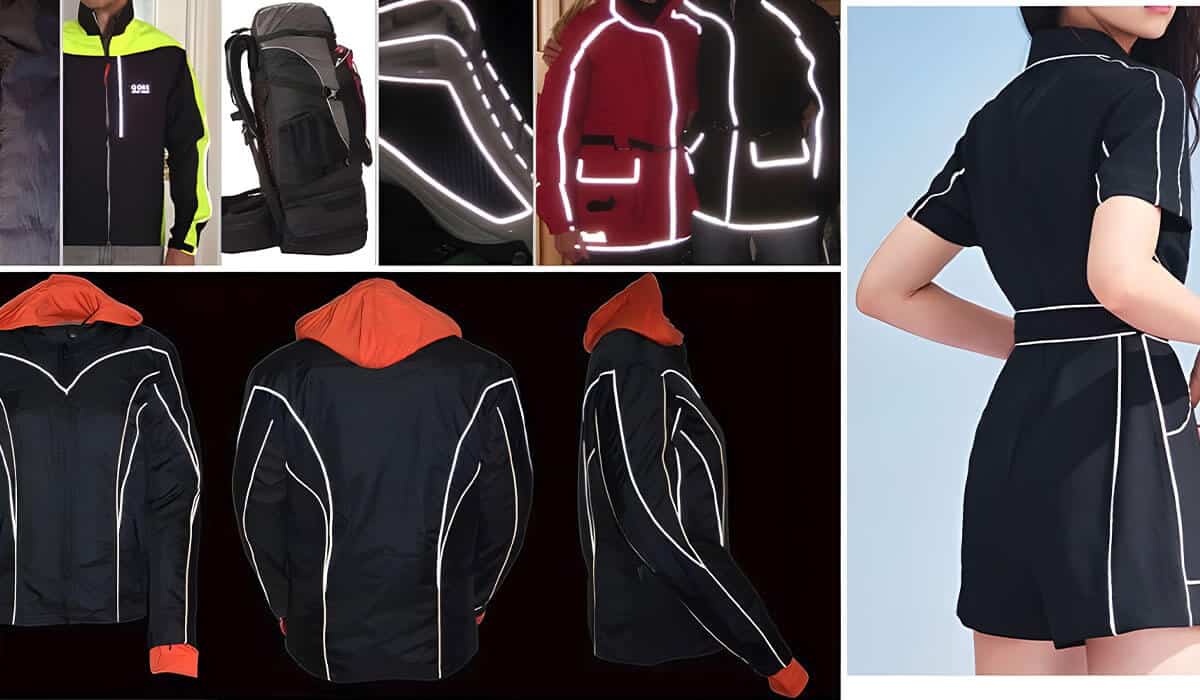
Reflective Piping for Clothing


