A guide to high-visibility colors and their uses
MAX Reflective Accessories Design Director
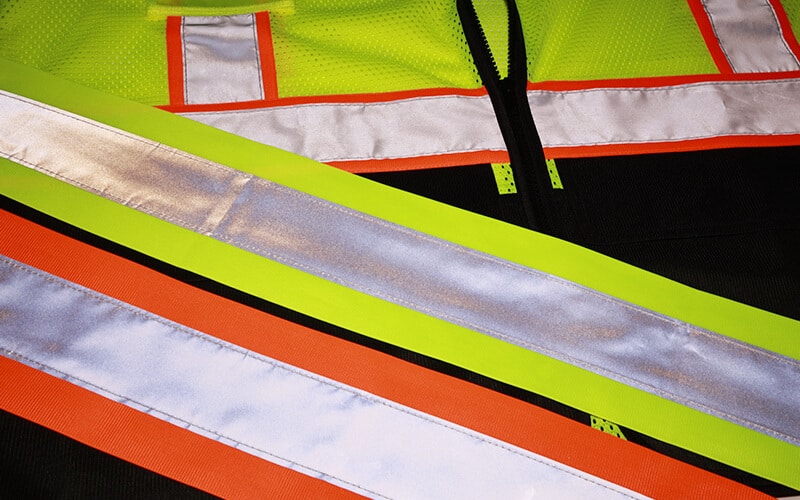
High-visibility (Hi-Vis) colors like fluorescent yellow-green, fluorescent orange-red, and fluorescent red are designed to stand out in various lighting conditions and against different backgrounds. These bright, easily noticeable colors are essential in environments where safety is a priority, helping reduce the risk of accidents. They are particularly important in industries like construction, roadwork, transportation, emergency services, and manufacturing, where clear visibility can make all the difference.
To ensure consistency and reliability in safety practices, organizations like the American National Standards Institute (ANSI) have established guidelines for Hi-Vis clothing. The ANSI/ISEA 107 standard defines performance requirements for high-visibility garments, including color specifications, areas of reflective material, and garment design.
Understanding the science behind Hi-Vis colors and the standards governing their use is crucial for selecting the right protective gear. Knowledge of these guidelines helps ensure regulatory compliance while providing the best protection across various work environments.
The science behind high-visibility colors
High-visibility colors are designed to stand out and attract attention, particularly in environments where safety is critical. Their effectiveness is based on several key scientific principles related to light and human perception.
Fluorescence
Fluorescent materials are highly effective because they absorb ultraviolet (UV) light — which is invisible to the human eye — and re-emit it as visible light. This process increases the brightness and visibility of these colors, especially in daylight or environments with natural sunlight. Fluorescent colors like yellow, orange, and green reflect more light and appear brighter to the human eye, making them easier to see from a distance.
Retroreflection
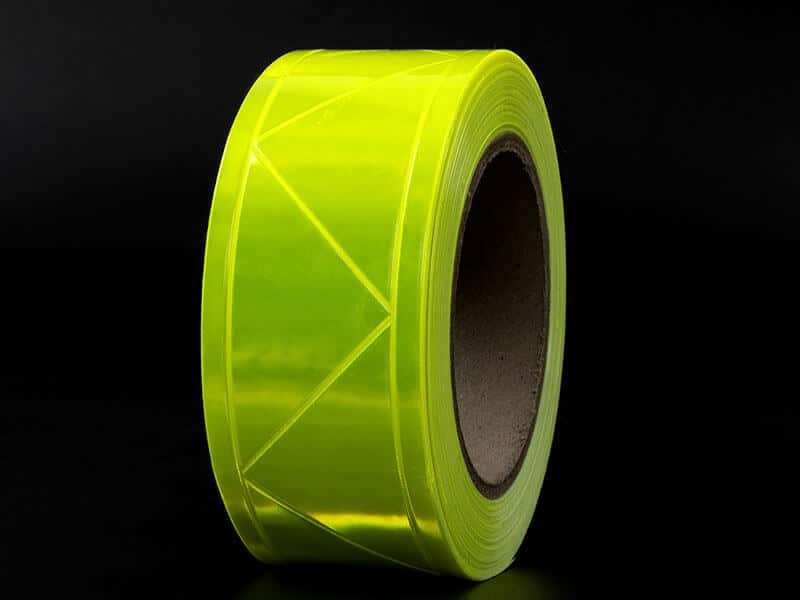
Retroreflective materials, such as those containing microprisms or glass beads, reflect light back toward its source. This is particularly valuable in low-light or nighttime conditions when the reflective materials ensure that light from vehicle headlights or street lamps is directed back toward the observer, making the materials appear brighter and more noticeable.
Human eye perception of bright colors
The human eye is naturally more sensitive to certain wavelengths of light, particularly those in the bright, vibrant parts of the color spectrum. High-visibility colors fall within the middle of the visible light spectrum, where our eyes are most responsive. This heightened sensitivity contributes to the effectiveness of fluorescent colors, which are designed to maximize visibility.
Color contrast and background visibility
Color contrast plays a significant role in visibility. High-visibility colors are often paired with dark or neutral colors (like black or navy) to maximize the distinction between the object and its background. A sharp contrast between the garment or equipment and the surrounding environment makes it easier for the human eye to detect, ensuring that the person or object is quickly noticed in various settings.
Impact of lighting conditions
Lighting conditions directly affect the visibility of high-visibility colors. In bright sunlight, they reflect more light, making them easy to spot. However, in low-light environments, such as dusk, dawn, or areas with limited artificial lighting, fluorescent materials still perform well by reflecting UV light, which remains abundant in those conditions. In complete darkness, retroreflective materials are often added to high-visibility colors to ensure that light sources, such as car headlights, are reflected back, enhancing visibility.
The Difference Between Fluorescent and Retroreflective
ANSI-approved high-visibility colors and their characteristics
The ANSI/ISEA 107 standard sets the guidelines for high-visibility apparel, ensuring that workers exposed to vehicular traffic or heavy equipment remain visible in any lighting conditions. This standard specifies approved high-visibility background colors, each of which is chosen for its effectiveness in promoting safety.
Fluorescent yellow-green
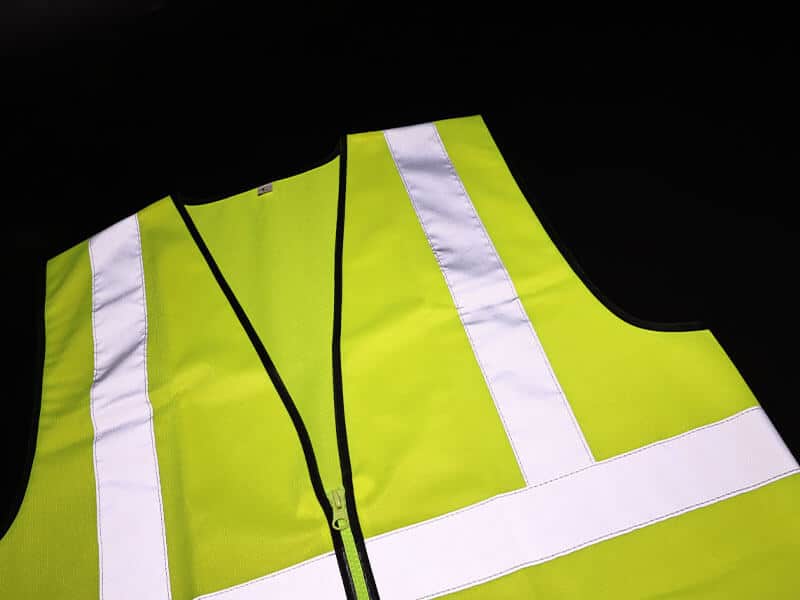
Fluorescent yellow-green is widely considered the most visible high-visibility color, particularly effective in daylight or low-light conditions such as dawn or dusk. Its brightness provides sharp contrast against natural backgrounds like grass, asphalt, or concrete, making it an ideal choice for high-traffic areas.
- Typical Uses: Emergency responders, crossing guards, cyclists, warehouse workers, construction crews.
- Optimal Visibility Conditions: Daylight and low-light environments with natural backgrounds.
- Advantages: Maximum visibility in urban and industrial areas.
Fluorescent orange-red
Fluorescent orange-red stands out against green and blue backgrounds, making it especially effective in roadside and construction environments. Its long history in hazard awareness makes it a traditional and reliable choice for safety gear.
- Typical Uses: Road crews, utility workers, flaggers, airport personnel, hunters.
- Best Visibility Conditions: Daytime in rural and roadside areas.
- Advantages: Ideal for outdoor use, especially in natural green environments.
Fluorescent red
Fluorescent red is used in situations where it provides excellent contrast or in specialized applications. It is commonly chosen for niche roles or where color coding is required.
- Typical Uses: Some emergency personnel, specialty work environments.
- Best Visibility Conditions: Moderate lighting; effective when other colors may blend into the background.
- Advantages: Offers diversity for color coding or specialized tasks.
Other high-visibility colors and their uses
- Fluorescent Pink: While less common, it stands out against green and urban backgrounds, making it useful in specific applications like hunting gear or temporary construction zones.
- Lime Yellow: A variation of yellow that provides vibrant visibility without being as bright as fluorescent yellow, often used in safety vests and construction equipment.
- Bright Red: Used in emergency vehicles and firefighting gear for its immediate attention-grabbing qualities.
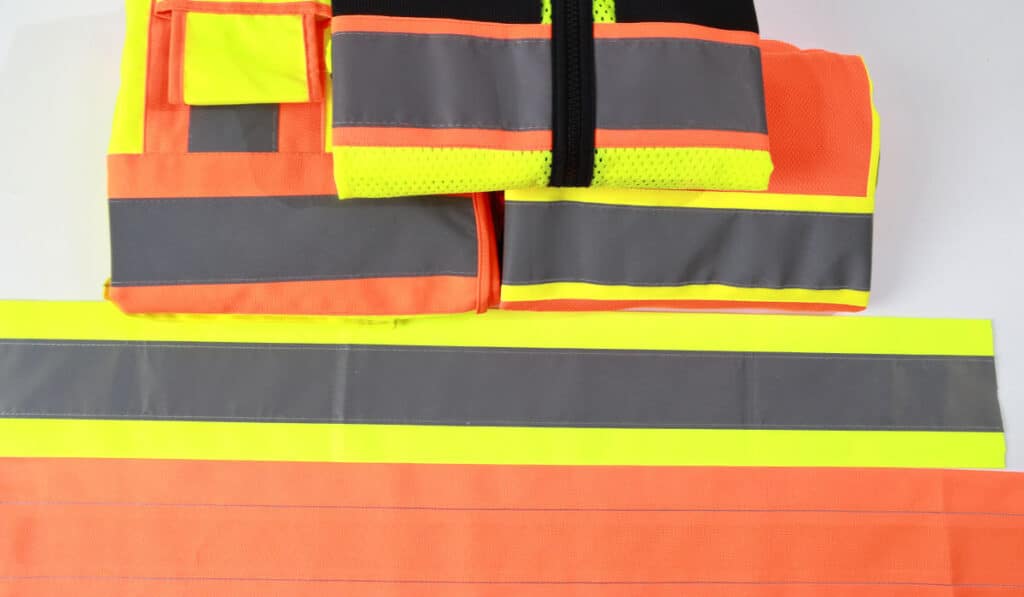
- Reflective Silver: Not a color by itself, reflective silver enhances visibility by reflecting light, such as car headlights, and is often paired with fluorescent colors for nighttime visibility.
Why are these colors approved?
The ANSI/ISEA 107 standard approves these colors based on two key criteria:
- Brightness: The intensity of the color, which directly impacts how easily it can be seen from a distance.
- Contrast: The color’s ability to stand out from surrounding environments, whether urban, rural, or industrial.
Additionally, all approved colors must meet performance standards for color fastness, UV stability, and durability to ensure long-term effectiveness in real-world conditions.
Major uses of high-visibility colors
High-visibility colors are very important in many areas where safety and being seen are important. These colors, like bright yellow-green, orange, and red, help people stay visible and safe. Here are some of the main areas where high-visibility colors are used:
Workplace safety and construction
In places like construction sites and factories, high-visibility colors are used to keep workers safe. Bright yellow-green and orange are common in safety vests, jackets, helmets, and signs. These colors make sure workers are seen by others, especially those operating heavy machinery or driving nearby. Construction workers wear these colors to help prevent accidents, and roadwork crews use bright cones to mark dangerous areas. This helps avoid “hit-by” accidents, which are common on construction sites.
Traffic and transportation
High-visibility colors are also used in traffic safety. Things like road signs, cones, and barricades use bright colors to catch drivers’ attention, especially in low light or risky conditions. Traffic workers, road maintenance crews, and cyclists wear high-visibility clothing so drivers can see them clearly. Reflective materials on vehicles and road signs make sure they stand out at night or in foggy weather, improving safety for everyone on the road.
Sports and outdoor recreation
In sports and outdoor activities, high-visibility colors help people stay seen in different environments. Cyclists, runners, hikers, and hunters wear bright clothes or gear to stay visible to others. This helps reduce accidents. High-visibility colors are also used in hunting gear so hunters can see each other and avoid accidents. Sports teams also use bright colors to make it easier to see players, especially in big outdoor areas or low-light conditions.
Emergency services
People in emergency services, like firefighters, paramedics, and police officers, wear high-visibility colors to stay visible in dangerous situations. Firefighters wear bright, reflective jackets, helmets, and suits so they can be seen in smoke or dark places. Paramedics and emergency workers also wear high-visibility clothing to make sure they’re seen when helping people during emergencies. Emergency vehicles also use bright decals and lights to get attention quickly in urgent situations.
Product design and branding
High-visibility colors aren’t just for safety — they’re also used in product design. Many companies use bright colors, like yellow or orange, in their logos and products to grab attention. For example, outdoor gear brands make backpacks and tents in bright colors to help them stand out. High-visibility colors on products can show that they are safe and reliable, helping people trust the brand.
Maritime and offshore operations
On ships and offshore platforms, high-visibility clothing is worn to ensure that crew members are seen, especially in rough seas or when visibility is low. This makes sure everyone stays safe during important tasks and emergencies.
Choosing the right high-visibility color
Choosing the right high-visibility (Hi-Vis) color ensures safety in various work environments. The choice depends on the work setting, lighting conditions, and industry-specific regulations. Here’s a guide to help you determine the best Hi-Vis color for your needs:
Fluorescent yellow green
Best for: Urban settings, roadside work, and industrial environments
Benefits: It is evident in daylight and low-light conditions and stands out against most backgrounds, making it ideal for construction sites and traffic control.
Fluorescent orange red
Best for: Forests, railways, and outdoor environments with natural backgrounds
Benefits: Offers excellent contrast against green landscapes and has traditionally been used in the rail and forestry industries.
Fluorescent red
Best for: Specific applications where this color provides the best contrast or meets industry preferences.
Advantages: Less common but used in some areas where red offers better visibility.
Conclusion: Enhancing safety with high-visibility colors
High-visibility colors are a critical component in ensuring safety across a range of industries, including construction, transportation, emergency services, and outdoor activities. By incorporating ANSI-approved colors such as fluorescent yellow-green, fluorescent orange-red, and fluorescent red, and by understanding the science behind fluorescence and retroreflection, you can significantly reduce the risk of accidents and improve overall safety outcomes.
Selecting the right high-visibility gear involves considering factors such as environment, lighting conditions, and audience needs. Adhering to established standards such as ANSI/ISEA 107 and ISO 20471, along with selecting durable, reflective, and comfortable materials, ensures visibility in all working conditions. Proper care and regular maintenance are also essential for keeping safety gear effective over time.
At MAX, we are committed to providing high-visibility products that meet the highest standards of safety, comfort, and durability. Whether you’re outfitting a construction crew, emergency responders, or outdoor workers, we have the solutions you need to keep people safe and seen.
Contact us today to learn more about our high-visibility gear and how we can help you build a safer future.
Related blogs
Related products
Reflective Heat Transfer Vinyl