

To verify EN ISO 20471 compliance for reflective piping in safety apparel, first distinguish the material evidence from the assessment of the intended garment and claim. A bright-looking trim or a supplier document does not by itself establish the result for every garment using that trim.
Use this guide as a purchasing and evidence-review workflow. Obtain the applicable standard and involve the responsible conformity specialist for interpretation, testing scope and the finished-product decision. No numerical threshold or garment class is assigned by this article.
EN ISO 20471 Compliance for Reflective Piping: Define the Claim
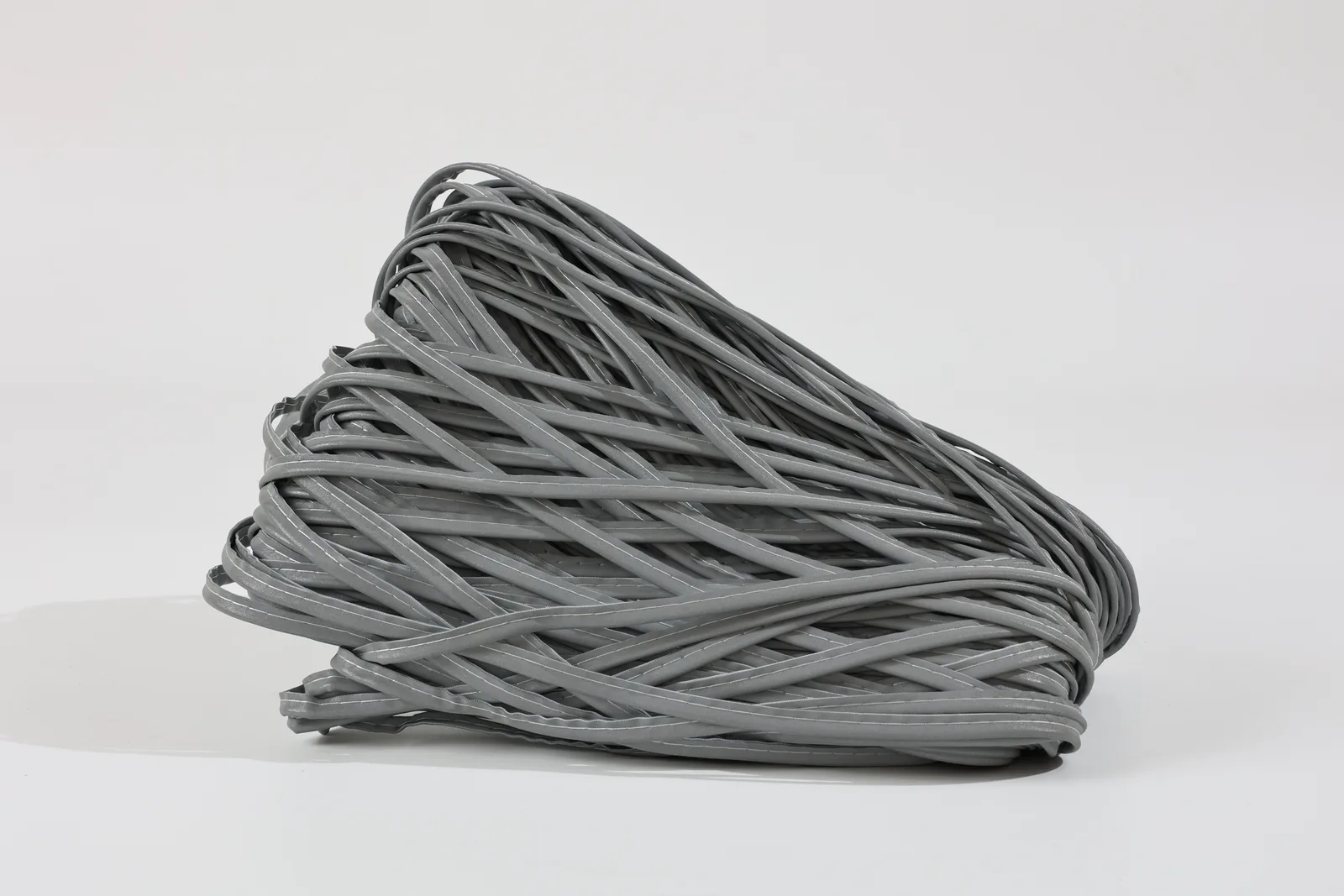
The official ISO scope description addresses high-visibility clothing, including color and retroreflection performance and the minimum areas and placement of materials. Use that scope as the starting point for the review, rather than treating the name of a piping product as a complete compliance statement.
Record exactly what is being claimed. A supplier may be describing a material test, a particular sample or a finished garment assessment. Ask which product, construction and conditions the statement covers. Keep marketing wording separate from the evidence needed to support the intended claim.
Confirm the applicable standard designation, edition and any relevant amendments with the responsible specialist. Do not infer that an older report is acceptable or unacceptable merely from its date. Review its scope and the requirements applying to the actual product before deciding what further evidence is needed.
Review Area and Layout With the Responsible Assessor
Do not calculate garment compliance from the nominal width of a piping strip alone. Provide the actual design, material identification and assembled dimensions to the person responsible for the garment assessment. Ask which areas and design features are relevant and how they should be evaluated under the applicable requirements.
Distinguish the supplied trim width from the portion visible after sewing. Record the proposed reveal, placement and any covering or interruption introduced by the construction. Avoid assuming that every reflective-looking area can be counted in the same way.
Use the applicable standard and assessment plan for the actual numerical criteria. This article does not reproduce area tables, minimum widths or substitution rules without their conditions. If a design decision depends on one of those criteria, record the applicable requirement and the assessor's interpretation in the technical review, then confirm that the production drawing represents the assessed design.
Define Intended Use Before Selecting a Garment Class
Describe the intended work environment, user and garment system to the responsible product or safety specialist. Include the relevant use conditions and the buyer's requirements. Do not assign a garment class solely from a job title, an industry label or an example in a general buying guide.
Keep the intended use connected to the design and evidence review. If the product will be used with another garment or accessory, ask whether that combination affects the assessment. Record who determines the requirement and which product configuration the decision covers.
A supplier's existing report may help identify available evidence, but it should not replace the buyer's definition of the intended product. Resolve a mismatch between the proposed use and available documentation before selecting the trim on appearance or price. This gives the supplier a specific evidence question to answer and keeps the finished-product responsibility clear.
Identify the Exact Product Before Requesting Evidence
Create a product record that distinguishes the piping model, color, construction and supplied dimensions. Ask for a drawing or description identifying the reflective face, sewing flange and any core. Confirm which layer a backing-composition statement describes rather than assuming it identifies the complete assembly.
Link that record to the proposed garment design and sample. Include the shell fabric, attachment method and intended visible profile so reviewers understand the application. Record any difference between a stock example and the customized material proposed for the order.
Use consistent identifiers in quotations, samples and document requests. If a supplier uses different product codes in different records, ask for a documented explanation of the relationship. Do not silently assume that a similar name or photograph identifies the same material. Resolve the identity question before relying on a report's performance results for the offered product.
Evaluate Placement Without Promising Recognition Outcomes
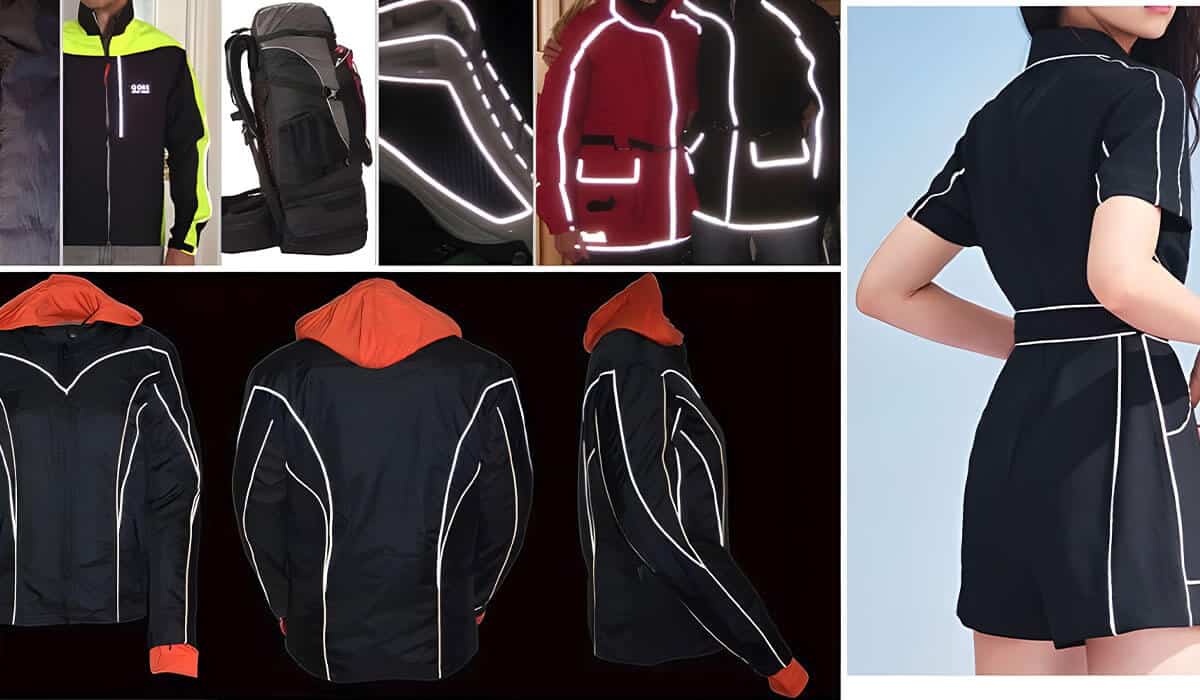
Review the proposed piping route on an assembled sample as well as the pattern. Check whether seams, overlaps, closures or other components cover the reflective face where it is intended to remain visible. Record the observation with the sample and drawing revision.
Ask the responsible assessor how the proposed placement relates to the applicable garment requirements. Do not claim a visibility distance, recognition benefit or all-around performance from a design sketch or photograph. A material test does not automatically establish those outcomes for a finished garment.
If the design changes, describe the altered placement and visible profile before applying an earlier assessment. Moving the trim, changing the reveal or adding another component may change the product being reviewed. Keep the original and revised drawings identifiable so the reviewer can decide which checks or evidence need to be updated.
Collect a Coherent Technical Evidence Pack
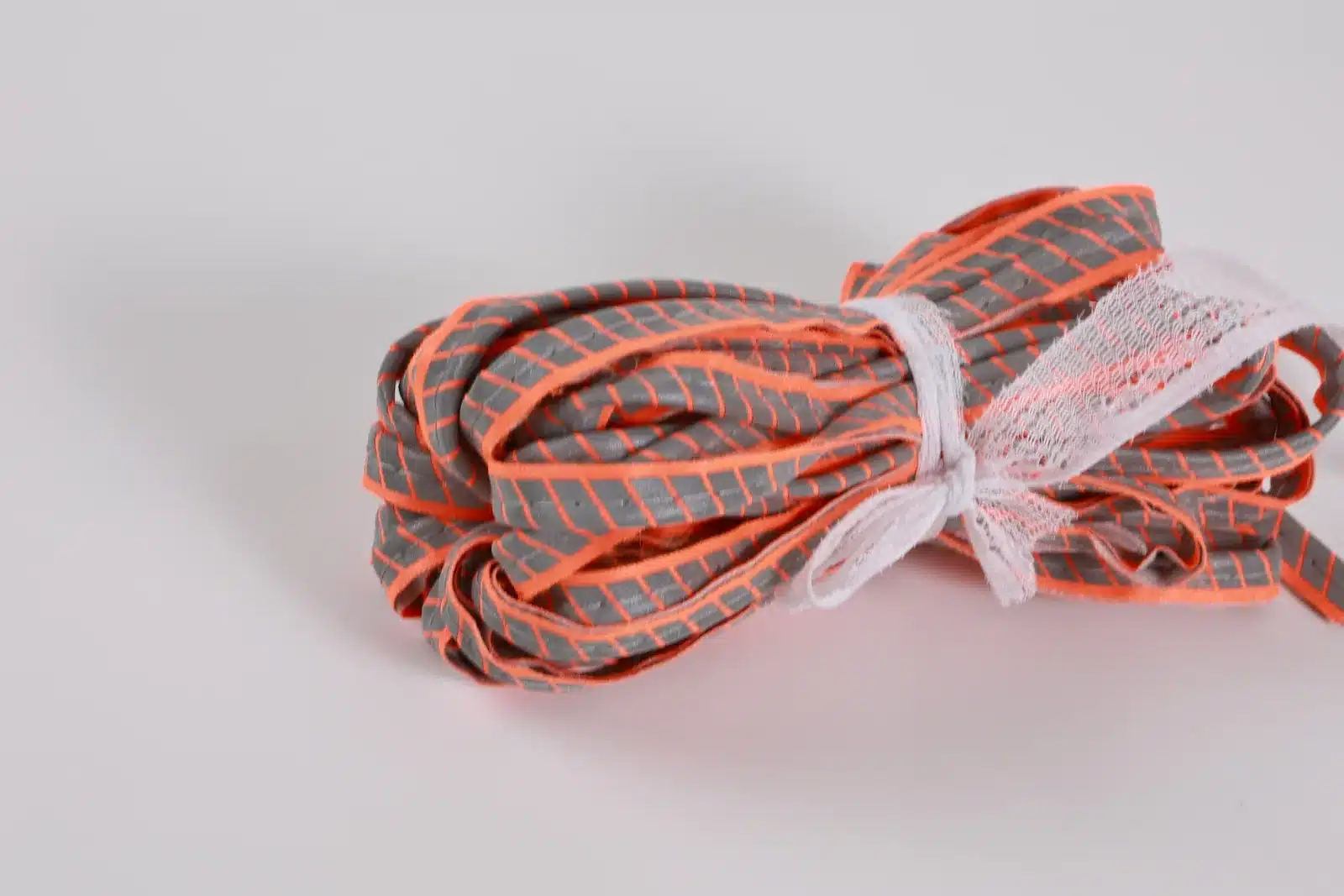
Request the documents needed for the stated claim, together with a clear link to the offered material. Identify the report or document, issuing organization, tested sample, method, conditions, results and limitations relevant to the review. Ask the supplier to explain gaps or differences between the document and the product description.
Keep different document types distinct. A test report, certificate, declaration and marketing summary may serve different purposes. Do not treat their titles as interchangeable or assume that possession of one establishes every requirement for a finished garment.
Use a document register showing the version received, review status and responsible person. Link it to the sample and order specification. Record unresolved questions separately from accepted evidence so the purchasing team can see what remains outstanding before approval. Keep the full evidence internally even when the public article or product description uses a shorter supported statement.
Check Document Authenticity and Product Traceability
Verify unclear document details through an appropriate independent channel, such as the issuing organization's published contact or verification process. Use the document identifier and sample description when asking a question. Do not rely only on a forwarded image or a supplier's explanation where further verification is required.
Examine the link between the tested sample and the material being offered. Ask which construction, color and relevant conditions are covered and how the supplier identifies the proposed order. A batch number can support traceability, but traceability alone is not proof of performance or compliance.
Record discrepancies and their resolution. If a document describes another product or does not cover the intended claim, request the applicable evidence or obtain the responsible review before using it. Avoid declaring a document invalid solely because it lacks an assumed field; first establish what the document is intended to demonstrate.
Review Material Descriptions Without Converting Them Into Certification
Use product information to identify a candidate, then examine the evidence for the intended requirement. A backing name, coating description, color or product photograph does not establish a performance class or finished-garment approval.
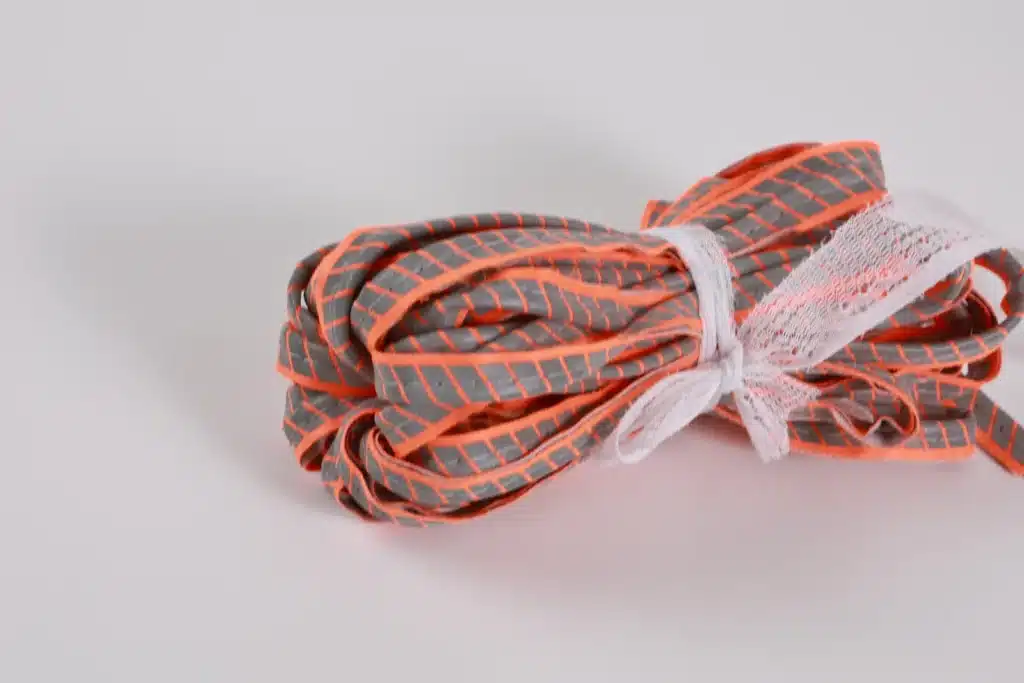
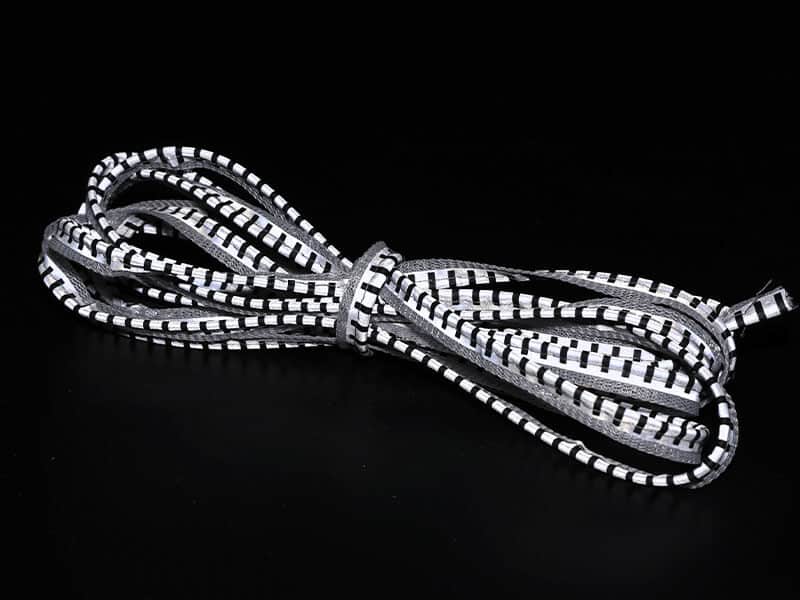
For selection inquiries, MAX’s website lists MP0108 as reflective piping with green printed stripes and MP0110 as segmented reflective piping with black printed stripes. These website descriptions identify product options; they do not establish test performance or suitability for a particular safety garment.
Request the drawing and supporting documents needed for the selected order. Clarify the meaning of supplied dimensions and the visible area after assembly. Where care or performance matters, ask which results apply to the actual color and construction. Keep website-stated product options separate from verified test results and from any assessment of the finished design.
Agree the Testing Question Before Sending Samples
Ask the responsible laboratory or conformity specialist to define the appropriate assessment for the product and claim. Provide the identified material, garment design and available evidence. Confirm which questions are already answered and which require additional work.
Document sample preparation, the method to be used, relevant measurement conditions and acceptance criteria. For reflective-performance results, retain the conditions stated in the report rather than presenting a single value without context. Do not invent a universal measurement angle or threshold from an unrelated product sheet.
Clarify the result's scope before the work begins. A test on unsewn material, a seam sample and a finished garment may answer different questions. Ask how the sample should represent the intended product and which deviations must be recorded. Keep the submission and result linked so that later readers can understand what was actually evaluated.
Review Care and Exposure Evidence Under Identified Conditions
Obtain the care instructions and relevant evidence for the selected material and finished garment. Check which sample, process and result are described, including any stated limitations. Do not transfer a wash result from another color, construction or cleaning process without confirming that it applies.
Where the assessment requires evaluation after care or exposure, record the prescribed conditions and the subsequent measurements. Keep the initial and post-treatment results linked to the same sample identification. Avoid replacing a missing test record with a universal wash count or a claim of industrial durability.
Review the garment's intended care process with the responsible team. If it differs from the conditions in the available evidence, ask what further assessment is needed. Keep the unresolved point visible in the approval record rather than assuming that a similar-sounding cleaning method will produce an equivalent result.
Assess the Finished Garment and Attachment Detail
Inspect a representative assembled garment against the reviewed design. Confirm the piping identification, placement and visible profile, and record any covering, distortion or damage introduced during assembly. Link the sample to the relevant construction and process record.
Ask the responsible assessor to determine which finished-product checks are required. A component's material report does not by itself demonstrate every aspect of the garment design or attachment. Keep the evidence scope explicit when preparing the technical file or purchasing decision.
If a sewing or finishing change is made after the original review, document it before relying on the earlier result. Identify whether the change affects the material, placement, visible area or another assessed feature. Obtain the appropriate reassessment rather than assuming the change is only cosmetic.
Record both accepted observations and open items. A garment that appears neat or reflective under an informal demonstration still needs the evidence required for its actual claim. Use the assessment result, not appearance alone, as the basis for release.
Check Label and Claim Consistency
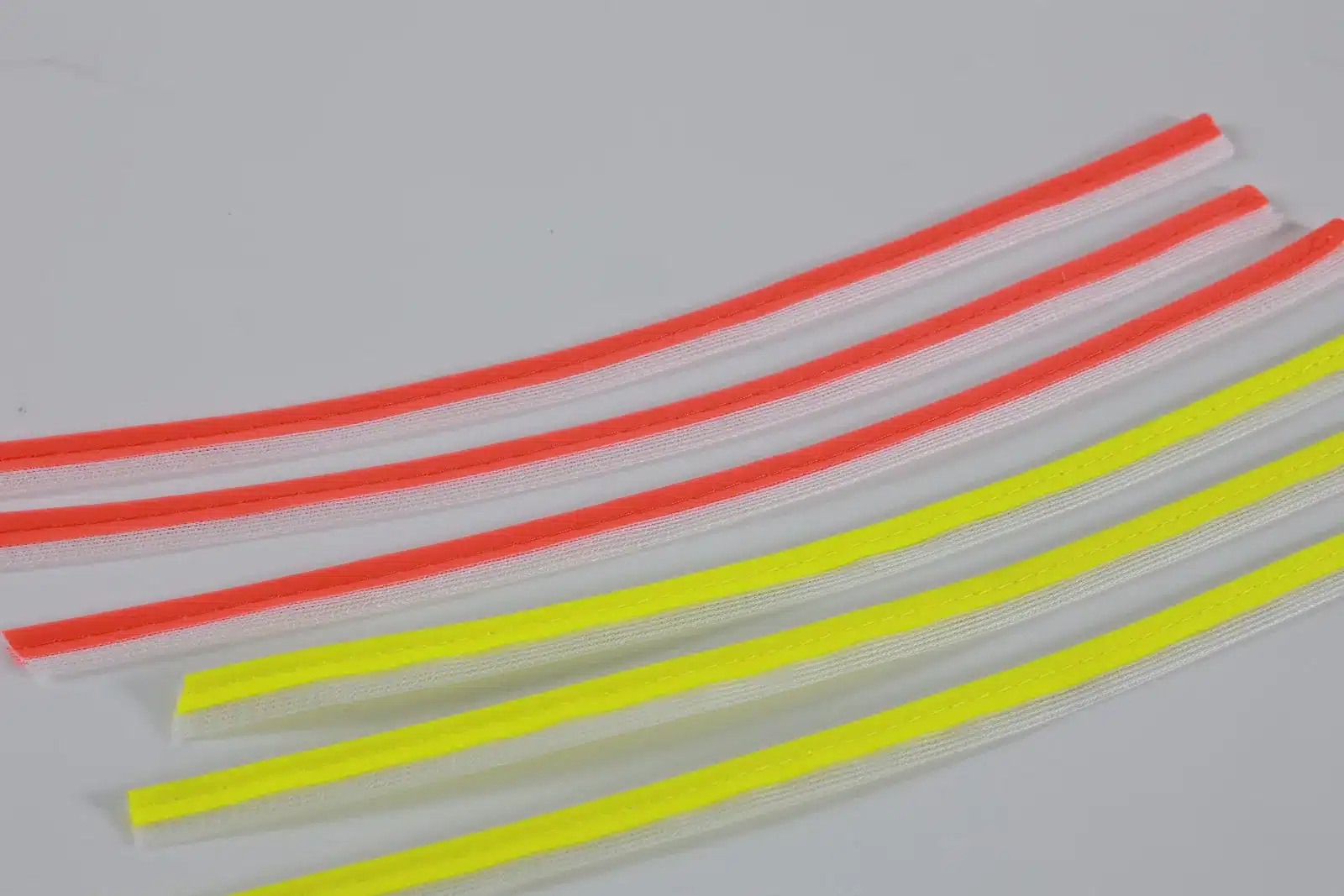
Review the proposed label, care information and product statement against the applicable requirements and the assessment scope. Ask the responsible conformity specialist which identifiers, markings and instructions are required for the intended product and market.
Compare the documents with the actual garment configuration. Confirm that the statement does not describe a different model, design or performance scope from the one assessed. Do not copy a label format from another product without checking whether it applies.
Keep public wording proportionate to the evidence. If the available record supports a material description or a particular test result, do not turn that into an unrestricted certification claim for all colors, orders or finished garments. Record who reviewed the wording and which evidence supports it, so later updates can be checked against the same basis.
Review Supplier Changes Before Reusing Earlier Evidence
Ask how changes to the selected material, construction or process will be communicated. Identify the agreed product and document revisions in the order record. Do not assume that an earlier sample remains representative after an undocumented substitution.
When a change is proposed, describe it clearly and obtain the responsible review of its effect on the claim and assessment. The required follow-up depends on the change and applicable requirements; this guide does not declare that every change automatically requires the same certification action.
Keep the decision with the revised sample and evidence. Record which earlier results remain applicable, which checks were repeated and any conditions attached to acceptance. Make the current approved specification identifiable to purchasing, production and receiving teams. This reduces ambiguity about which product the supplier is asked to deliver without implying that document control alone proves compliance.
Avoid Common Evidence-Review Errors
Do not approve a claim from brightness in a photograph. Record the sample and demonstration conditions if images are used, but obtain the relevant test and assessment evidence for the intended statement.
Do not combine unrelated documents into an implied approval. A report for one construction, a certificate for another scope and a photograph of a third sample do not establish a coherent evidence chain for the offered product. Ask the supplier to resolve the mismatch.
Do not treat missing information as proof of failure or as permission to assume success. Record the precise question, responsible contact and evidence needed for a decision. A clear hold with an actionable document request is more useful than a vague request for “certification” that does not identify the product or claim being reviewed.
Use a Review Checklist That Supports a Decision
Adapt the following checklist to the product and assessment plan. It is an internal review aid, not a replacement for the applicable standard or the responsible conformity decision.
| Review question | Record needed |
|---|---|
| What product is offered? | Model, color, construction and sample identification |
| What is being claimed? | Exact statement and intended product scope |
| Which requirements apply? | Standard designation and responsible review |
| What was tested? | Identified sample, method, conditions and results |
| Does the evidence match the offer? | Documented link and resolved discrepancies |
| What garment was assessed? | Design, assembly and revision identification |
| What remains open? | Missing evidence, owner and decision condition |
| Who releases the decision? | Responsible reviewer and dated outcome |
Use the checklist to separate a complete evidence item from an unresolved one. Record the reason when an item is not applicable to the actual review rather than leaving it ambiguous. Before purchase or release, confirm that the specification, sample, claim and evidence describe the same intended product. Retain the record for later changes and repeat-order checks.
Keep Care and In-Service Information Within Its Scope
Provide the applicable instructions and limitations with the finished product through the responsible product process. Do not invent a universal replacement interval or declare that a visual inspection alone measures reflective performance.
If a garment shows damage or a concern arises in use, follow the applicable assessment and product guidance. Record the condition and the garment identification, and refer the question to the responsible person. An article cannot determine continued suitability from an unspecified photograph or a generic description of wear.
Keep any revised instruction or product decision linked to the affected configuration. When procurement teams use service feedback for a later order, distinguish an observed issue from a confirmed cause. Request the relevant investigation or evidence before making a new material claim or changing the specification.
Evaluate New Formats Against the Same Evidence Questions
Apply the same product-identity and scope review to stretch, segmented, printed or recycled-material descriptions. A format name or sustainability description does not establish reflective performance, care durability or finished-garment compliance.
Identify what actually changes in the proposed construction and ask which evidence covers it. For a segmented appearance, distinguish a printed pattern from the physical structure rather than assuming the name describes gaps or a particular attachment method. For a stretch proposal, review the actual assembly and its relevant assessment conditions.
Keep environmental or composition claims separate from safety-performance claims. Request the evidence appropriate to each statement and confirm its scope before use. This allows the buyer to consider new product options while maintaining a clear record of what is supported, what is limited to a particular sample and what still needs verification.
Frequently Asked Questions
Can a reflective piping product description prove garment compliance?
No. Identify the offered material and examine the evidence for the intended claim, then obtain the required assessment of the finished garment. A material description or report does not automatically cover every design using that trim.
Can I count the full supplied piping width as reflective garment area?
Do not make that assumption. Provide the assembled dimensions and design to the responsible assessor, who should apply the relevant requirements and measurement method to the actual garment configuration.
Does an older report automatically need replacement?
Review its product identity, scope and applicable requirements with the responsible specialist or issuer. Do not assume a universal validity period or decide from the date alone whether the report supports the intended claim.
What should I do when a report describes a different material?
Ask for a documented explanation linking the tested sample to the offered construction or request the applicable evidence. Keep the discrepancy open until the responsible reviewer has enough information for the decision.
Can color, printing or placement be changed after assessment?
Record the proposed change and obtain a review of its effect on the earlier evidence and claim. Confirm which checks or documents must be updated before relying on the previous result for the changed product.
What if the supplier cannot provide the required evidence?
Record the missing item and the decision it prevents. Ask the responsible product team whether additional testing, another material or a revised claim is appropriate. Do not fill the gap with an unsupported performance or certification statement.

Related blogs

Reflective piping FAQ

Healing the "Hidden Wounds": Scaling Quality in Reflective Piping Production
Reflective Piping for Clothing

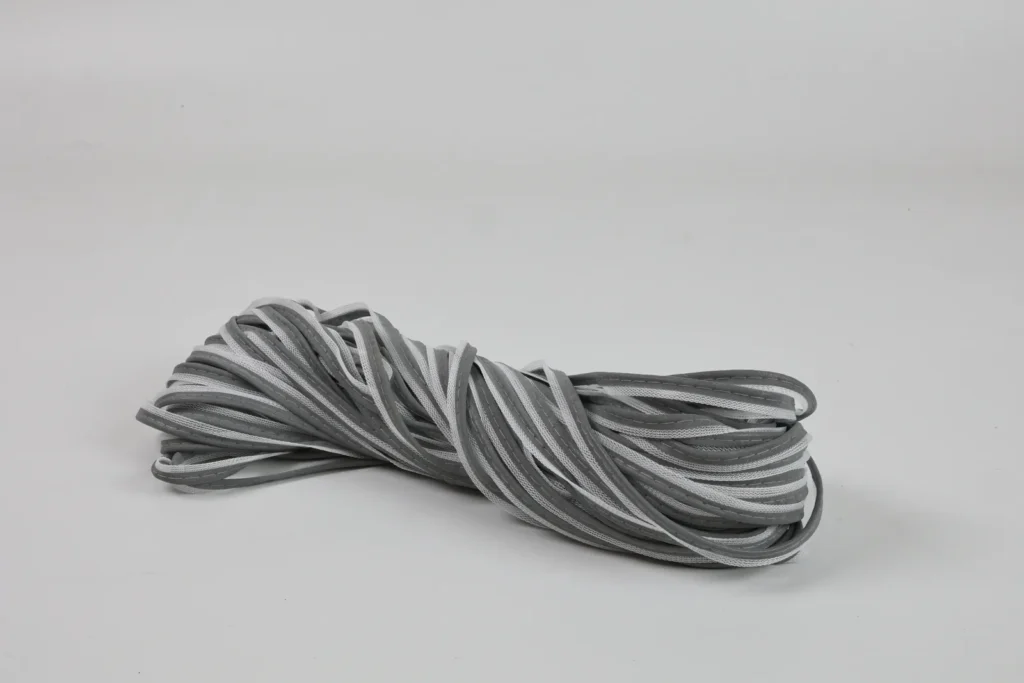
Regular silver reflective edging piping MP0101
Related products

Segmented silver reflective piping MP0105
Segmented reflective piping tape with black printed stripes MP0110

Common Reflective Piping Problems and How to Avoid Them


