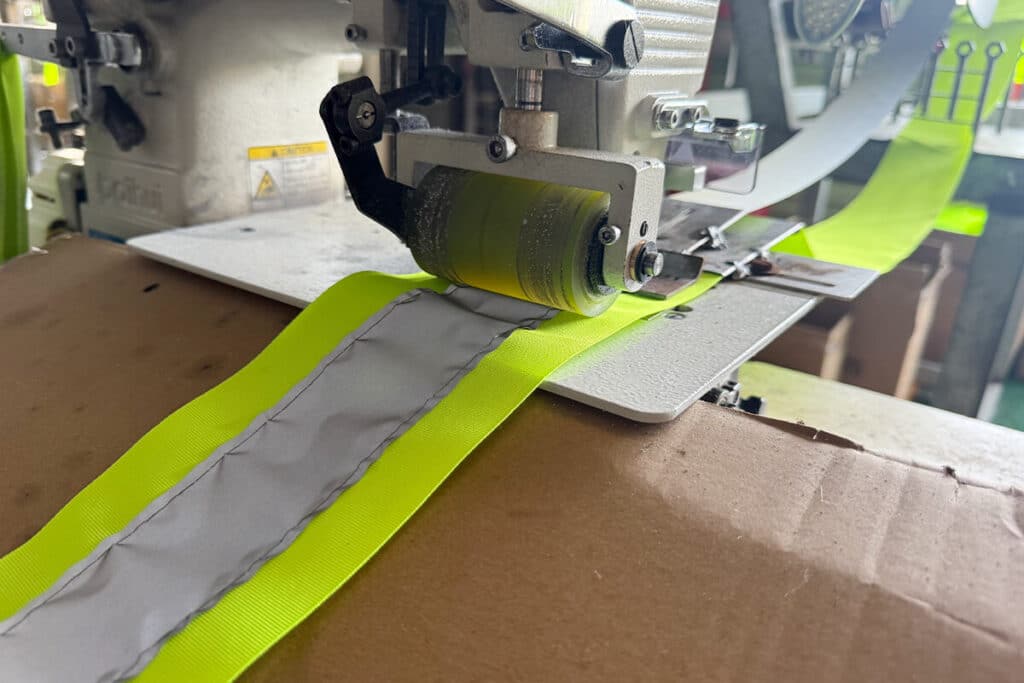
Sew on reflective tape for clothing

Reflective materials have become an essential feature in safety equipment and clothing, enabling individuals to stand out in low-light situations. MAX, a professional reflective tape manufacturer in China, offers solutions designed to keep you safe and stylish.

Home » Sew on reflective tape for clothing

Unlike adhesive-backed reflective strips that can peel off over time, sew-on tape becomes a permanent part of the garment, ensuring long-lasting performance even after multiple washes.

The magic of sew-on reflective tape is in its longevity, performance, and versatility. Sew it right, and you get a cost-effective, high-performing, customizable safety upgrade for jackets, uniforms, sportswear, or even bags. In addition to professional use, sew-on reflective tape is also used in fashion, DIY projects, and creative applications. Combining safety, utility, and design versatility, it has become an essential addition to modern clothing.

What is sew on reflective tape for clothing?

Sew-on reflective tape is a type of safety tape that can be stitched directly onto clothing, bags, or gear to make the wearer more visible in low-light conditions.

Most sew-on reflective tapes are made from a combination of durable fabrics like polyester or cotton and special reflective materials. Some tapes use tiny glass beads, while others have micro-prismatic layers that bounce light back to its source, helping drivers and others see you at night or in dim light.

Is sew-on reflective tape better than iron-on tape?

Sew-on tape is generally more durable and reliable, especially for garments that are subject to repeated use and industrial laundering.

sew-on-reflective-tape-for-clothing

Types of sew-on reflective tape for clothing

Not all reflective tapes are created equal. Depending on the environment, purpose, and type of clothing, different versions are used to maximise both safety and comfort. Choosing the right type ensures that the reflective material performs effectively while meeting the demands of everyday wear and tear.

sewn-on-300d-oxford-reflective-warning-tape

Fabric-based reflective tape

This is one of the most common types, designed with a soft, fabric-like texture that makes it easy to sew onto clothing. It blends seamlessly into clothing and provides flexibility for movement. Due to its comfort and durability, fabric-based reflective tape is often used in jackets, pants, vests, and uniforms that require frequent washing and care.
100%-knitted-fabric-reflective-warning-tape

High-performance glass bead tape

Glass-bead reflective tape works by embedding countless microscopic glass beads on its surface. These beads capture incoming light and reflect it toward the source, creating a bright glow. Known for its strong reflectivity, this type is popular in industrial and safety applications where maximum brightness is required, such as for construction workers and roadside crews.
reflective-ribbon-tape-stitched

Colored reflective tape

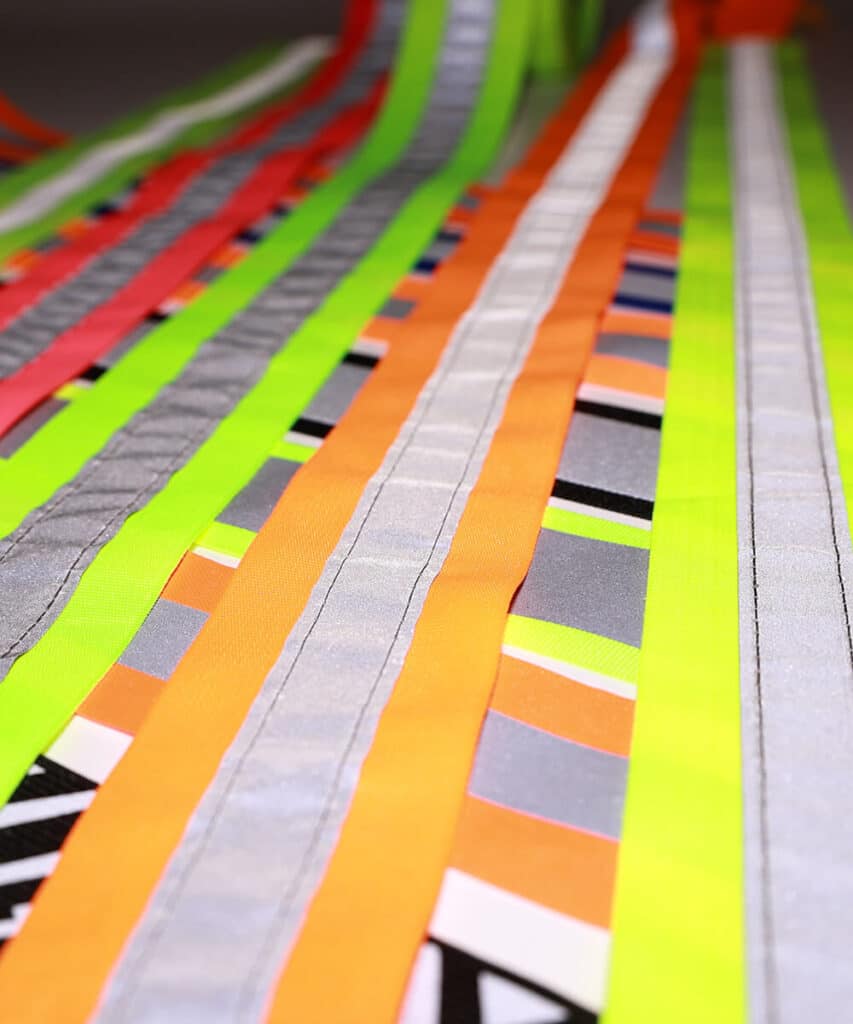
While silver or grey is the standard reflective colour, colored versions are available for specific purposes. Fluorescent yellow, orange, or red reflective tapes combine daytime visibility with nighttime reflectivity, offering a double layer of protection. They are commonly seen on safety vests, children’s outerwear, and in high-risk work areas.
high-luster’s-elastic-reflective-piping

Stretchable reflective tape

For sportswear and activewear, flexibility is key. Stretchable sew-on reflective tape is designed for garments made from elastic or stretch fabrics. It moves with the body, maintaining comfort without compromising safety, making it a favorite for runners, cyclists, and outdoor athletes.
regular-silver-reflective-edging-piping

Microprismatic reflective tape

Microprism technology uses tiny prism-shaped structures to reflect light. This type of tape offers higher brightness than glass bead versions and also reflects well at wide angles. It is instrumental in clothing designed for road safety, emergency responders, and high-visibility outerwear that requires visibility from a distance.
How to sew reflective tape onto clothing

Step 1: Preparation

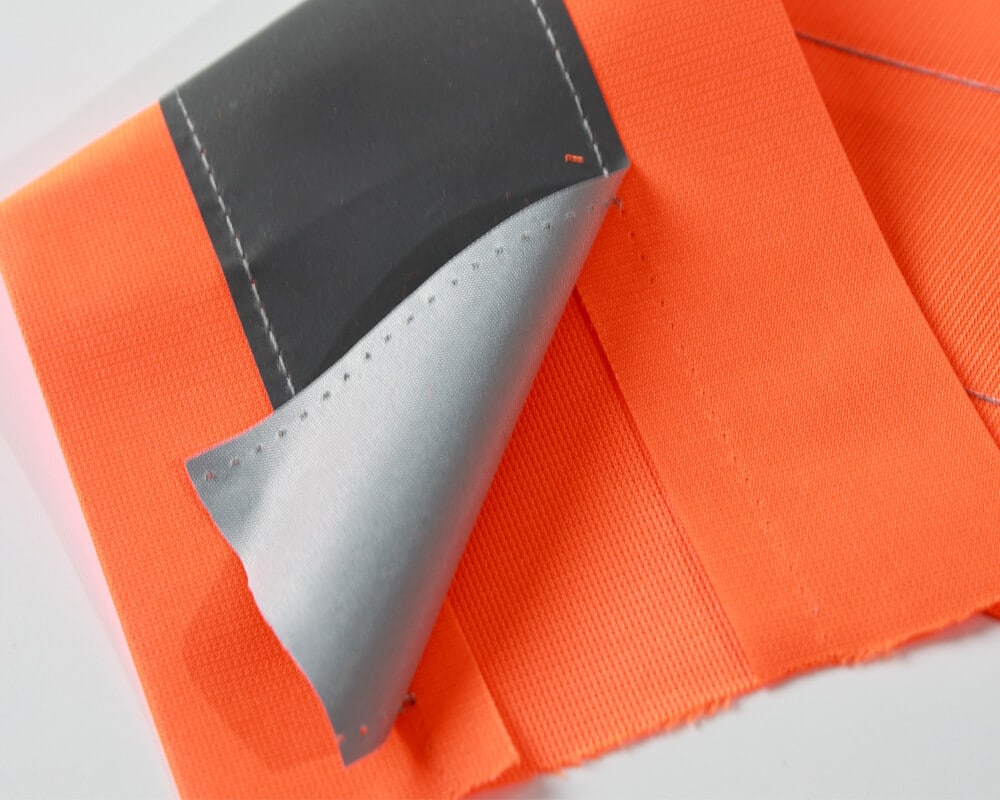
Before sewing, measure and cut the tape to the desired length. Pin it securely to the garment to prevent it from shifting during sewing.

Step 2: Choosing the right thread and needle

A strong polyester thread is recommended for durability. Use a heavy-duty needle when attaching tape to thick fabrics such as jackets or jeans.

Step 3: Sewing methods

Use a straight stitch for most applications, or a narrow zig-zag for elastic fabrics.

Set your stitch length to 2.5–3.0 mm for durability.

Always backstitch at the beginning and end to prevent unraveling.

Step 4: Reinforce and finish

Backstitch or sew over high-stress areas again for extra strength.

Trim any loose threads carefully.

Check that the tape is straight and fully attached.

Benefits of Using Sew-On Reflective Tape

The value of sew-on reflective tape goes beyond just visibility. It combines safety, durability, and versatility in a way few other materials can match. For workers, athletes, and even children, the benefits of this tape make it a great and practical choice for all types of clothing.

Reliable durability

The most crucial benefit of sew-on reflective tape is its long-lasting performance. Because it is sewn directly into clothing, it will not peel off like adhesive tape. Even under harsh conditions — such as repeated bending, stretching, or exposure to the elements — the tape remains intact. This makes it the preferred option for uniforms and outdoor gear that undergo daily wear and tear.

Washable and reusable

Clothing that features sew-on reflective tape is designed to withstand multiple wash cycles. High-quality versions can withstand both domestic and industrial laundering processes without losing their reflective power. Sew-on tape is more dependable than less expensive options that break down after a few washings, which is crucial for uniforms that need to be cleaned and maintained frequently.

Comfort and flexibility

Since sew-on reflective tape is fabric-friendly, it does not cause stiffness or discomfort in clothing. This makes it suitable for workwear, casual wear, and even sportswear. Athletes, for example, benefit from elastic tape that does not restrict movement, while workers appreciate clothing that remains comfortable during long shifts.

Versatility in clothing types

From children’s jackets to professional safety gear, sew-on reflective tape suits a variety of needs. It can be applied to lightweight fabrics, such as shirts, as well as to heavy-duty fabrics, such as winter coats and jackets. Its adaptability makes it useful for people in diverse industries as well as everyday wearers who want an extra layer of safety.

Cost-effective safety solution

Although the initial effort to sew the tape takes longer than ironing or glueing it, the long-term savings are significant. Because sew-on reflective tape is long-lasting and withstands harsh conditions, it doesn’t need to be replaced frequently. For businesses that provide uniforms to employees, this reliability translates into lower costs over time.

Choosing the Right Reflective Tape

Picking the right sew-on reflective tape is key to getting the best visibility, durability, and fit for your clothing or gear. As a professional reflective tape manufacturer, MAX offers high-quality options that meet different needs.

1. Fabric Compatibility

Make sure the tape matches the type of fabric you’re working with:

  • Cotton or polyester – works well with most standard tapes.
  • Canvas or thick fabrics – may need stronger tape and heavier thread.
  • Waterproof fabrics – choose tape designed for outdoor use.
  • Elastic materials – use stretch reflective tape that moves with the fabric.


2. Placement on garments

Where you place the tape affects visibility:

  • Sleeves – great for cyclists and runners.
  • Back – increases visibility from behind, ideal for jackets or vests.
  • Ankles or legs – perfect for runners, walkers, or workers who need to be seen from all angles.

3. Care instructions

Check that the tape can withstand the garment’s washing and drying. Specialized reflective tape may be required for industrial laundering purposes.

4. Safety standards compliance

Some industries require clothing to meet specific visibility standards (such as ANSI/ISEA or EN ISO). Always choose reflective tape that meets the relevant safety certification standards.

choosing-the-right-reflective-tape
care-and-maintenance-of-sew-on-reflective-tape

Care and maintenance of sew-on reflective tape

Washing instructions

To reduce friction, turn your clothing inside out before washing. Fabric softeners can decrease reflectivity, so it’s best to avoid them and opt for gentle detergents instead.

Drying methods

Air drying is best, but tumble drying on low heat is usually safe if recommended by the manufacturer.

Regular inspection

Check garments frequently for signs of wear or loose stitching. If the tape becomes damaged, replace or re-stitch it.

Get in Touch

Response within 24 hours.

Why Partner with MAX?

As a professional reflective tape manufacturer in China, MAX understands the value of reliable and durable safety solutions. Sew-on reflective tape is a simple, effective, and long-lasting way to improve visibility on clothing, gear, and accessories. Its secure attachment, versatility, and ability to withstand washing and daily wear make it a top choice for DIY projects, workwear, sportswear, school uniforms, and creative designs.

Send Your Inquiry Now