PVC vs. Reflective Fabric for Fog Flags: A Material-Selection Case Study
The Application Started With a PVC Request
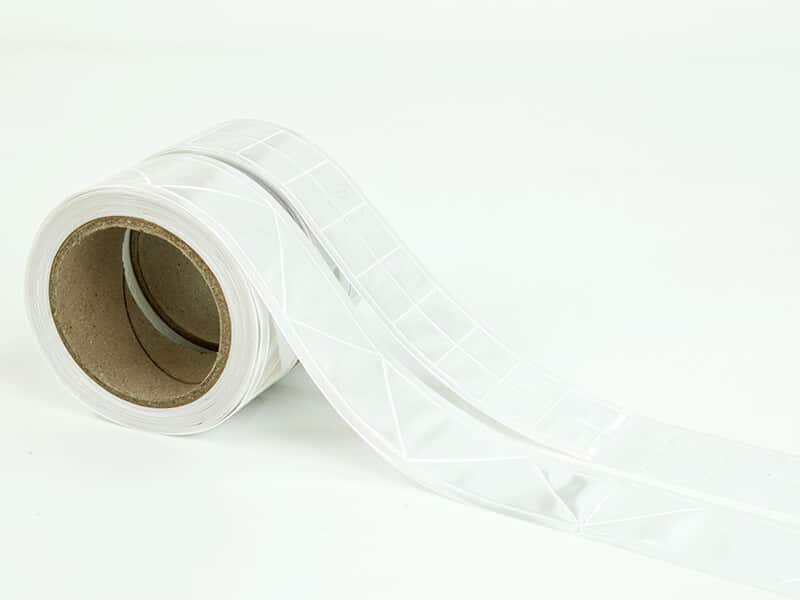
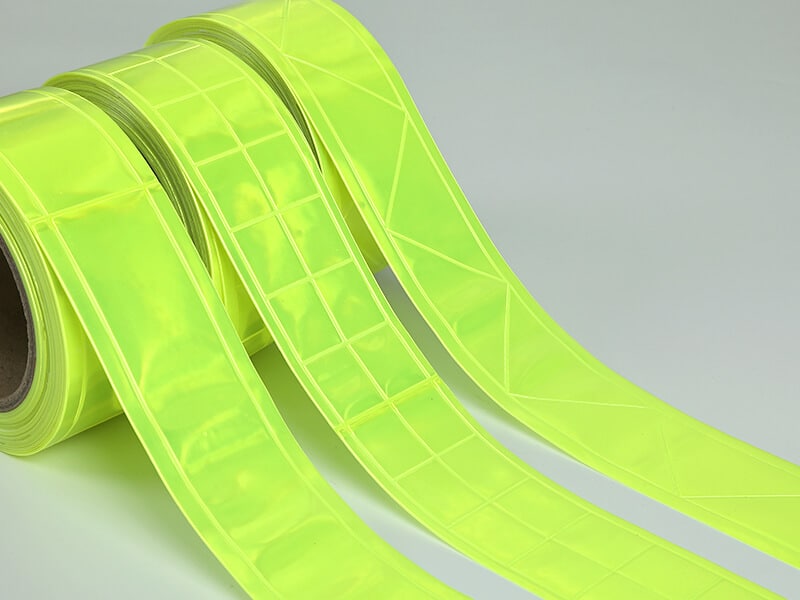
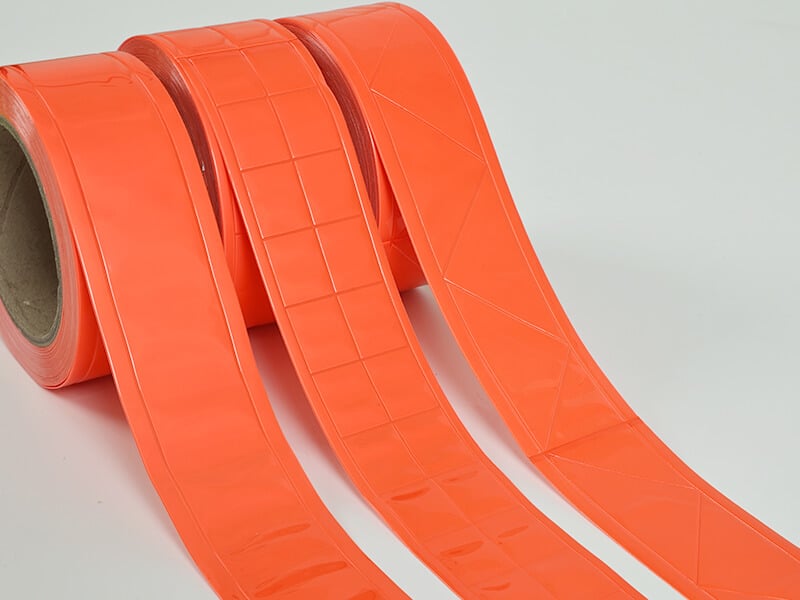
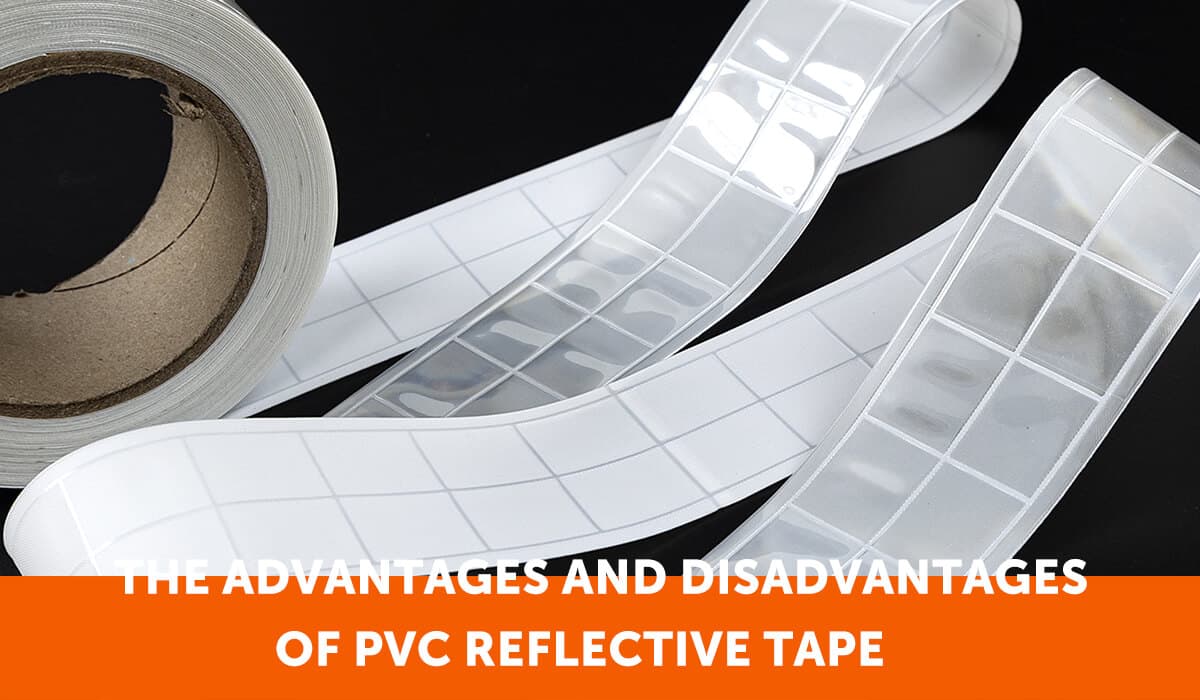
For a compact fog-flag application, the first brief focused on microprismatic PVC material. PVC reflective tape is a practical choice for many safety and garment applications where a defined reflective surface and colour options are required.
A fog flag, however, must do more than reflect. It needs to move with the wind, be practical to sew into the finished construction, and create a clear signal in both low-light and daytime conditions. That made material behaviour as important as the reflective face.
Material Selection: Key Considerations
1. Why PVC Alone Was Not the Best Fit
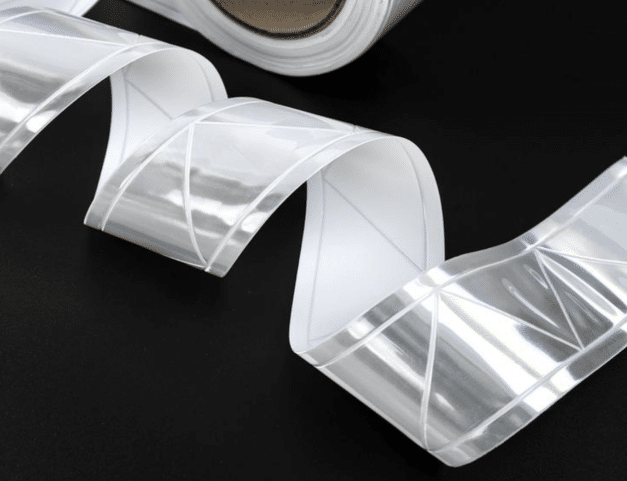
Microprismatic PVC has a more structured hand than textile reflective material. That can be beneficial for trims, armbands, bags, workwear, and other products that need a defined strip. For a lightweight flag designed to respond to wind, the same structure can work against the required drape and movement.
2. Surface Coverage Changes the Result
Sampling showed that the finished flag must be assessed after folding, stitching, hems, and attachment points are included. A narrow exposed strip reduced the visible area and made the daytime effect less distinct. The solution was to rethink the component as a two-sided visibility marker rather than asking one narrow tape to carry the entire task.
3. Design for Daytime and Low-Light Visibility
The final decision did not reject PVC as a category. It matched material behaviour to the finished application. A moving marker needs a softer, sewn material system; its visible sides can then be selected separately for low-light retroreflection and daytime contrast.
PVC and Reflective Fabric: Choose by the Finished Application
PVC: A Defined, Structured Surface
Microprismatic PVC tape is well suited to safety trims, garments, accessories, and equipment details where a defined reflective strip is the right construction choice.
Reflective Fabric: A Flexible, Sewn Surface
Textile-based reflective fabric flexes with the host construction and can be integrated into a sewn flag, garment, or other visibility component that needs to move.
For Fog Flags: Movement Is a Design Requirement
A wind-responsive marker needs enough drape to perform as a flag. Material selection must consider not only the reflective surface, but also the final construction and exposed area.
Select the Material Around the Finished Product
The best choice depends on viewing conditions, attachment method, colour strategy, surface area, and the way the finished component must move. A completed sample should be reviewed before production is confirmed.
The Recommended Two-Sided Construction
1. Build the Flag Around the Finished Construction
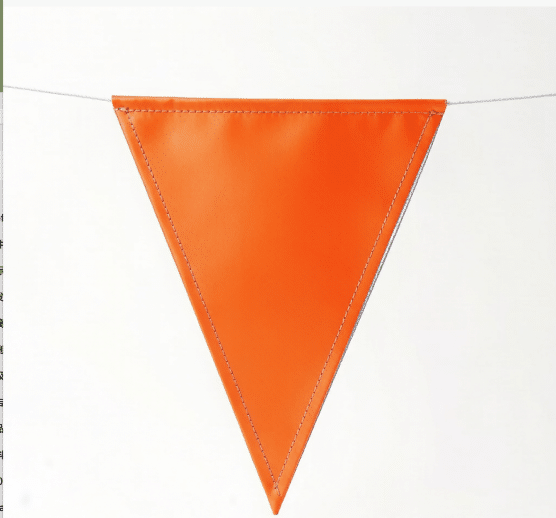
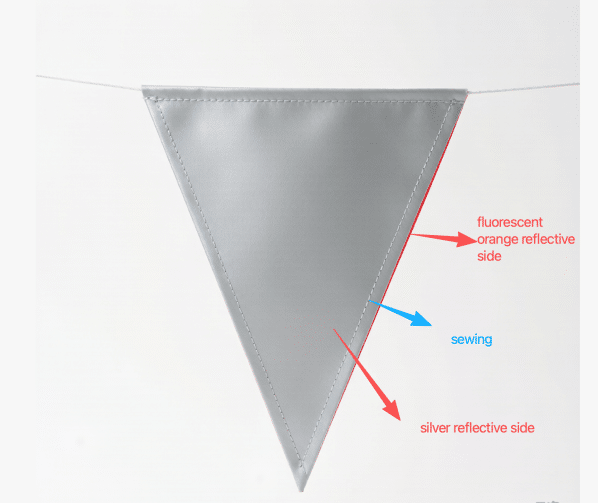
The concept was developed as a sewn, two-sided visibility component rather than a narrow strip. The construction is planned around practical fabric widths so the finished flag can retain the movement expected in its installation.
2. Use Each Side for a Different Visibility Need
One side uses silver reflective fabric to support low-light recognition. The opposite side uses fluorescent-orange reflective fabric to strengthen daytime conspicuity. Together, the two surfaces address complementary viewing conditions.
3. Approve a Finished Sample Before Production
The physical sample is the release gate. Review the final sewn flag in its intended installation, lighting, weather, and background conditions before confirming production width, colour, and construction.
Related PVC Products
Related Information
Need a Material Recommendation for a Moving Safety Marker?
Response within 24 hours.
Customised Visibility Materials for Every Need — MAX
The "discipline" of manufacturing is found in the daily process of solving specific problems. Reflective piping is just a microcosm of the countless challenges we face on the shop floor. We are grateful for our customers' support and their patience during delays. This journey has taught us that real cost reduction and efficiency gains come from deep mastery of every detail and a commitment to continuous improvement—a commitment shared by everyone here at MAX.
- [email protected]
- +86 19706839773